

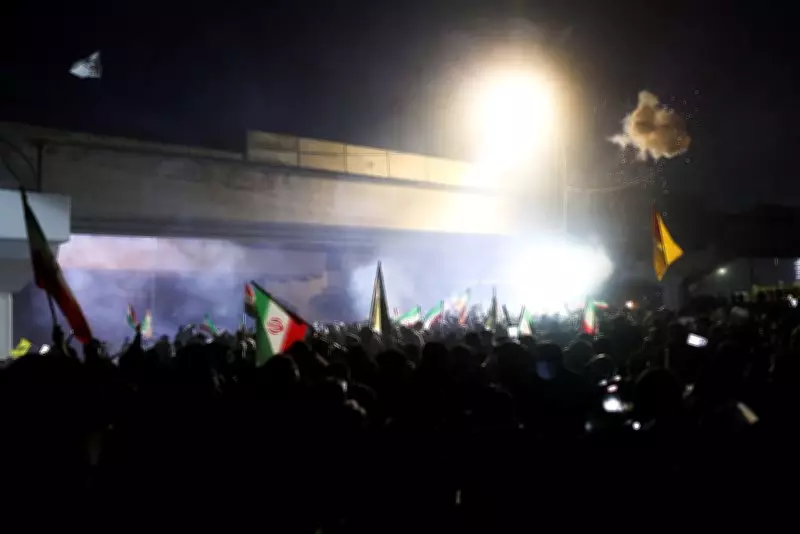
Oil Prices Surge 7% Amid Escalating Middle East Conflict
Global oil markets have experienced a significant shock as prices surged by 7% following heightened tensions in the Middle East. This sharp increase reflects growing fears of potential supply disruptions in a region critical to global energy production.
Immediate Market Reaction
The price jump occurred rapidly as news of the conflict spread, with benchmark crude oils like Brent and West Texas Intermediate seeing substantial gains. Analysts attribute this volatility to concerns that the unrest could impact key oil-producing nations and major shipping routes, such as the Strait of Hormuz.
Factors Driving the Price Increase
Geopolitical instability is the primary driver behind this surge. The Middle East accounts for a large portion of the world's oil supply, and any conflict in the area raises alarms about possible production cuts or export delays. Additionally, market speculation has intensified, with traders anticipating further escalations that could tighten global oil inventories.

Economic implications are also a major concern. Higher oil prices typically lead to increased costs for transportation and manufacturing, which can fuel inflation and slow economic growth. Consumers may face rising fuel prices at the pump, affecting household budgets and business operations.
Global and Regional Impacts
The effects of this price hike are expected to be widespread:
- Import-dependent countries, including India and many in Europe, could see their trade deficits widen as they pay more for crude oil imports.
- Oil-exporting nations in the Middle East might benefit from higher revenues, but this could be offset by regional instability and security risks.
- Global stock markets have shown signs of nervousness, with energy sector stocks gaining while broader indices face pressure due to inflation worries.
Historical Context and Future Outlook
This is not the first time Middle East conflicts have triggered oil price spikes. Past events, such as the Gulf War or tensions in the Strait of Hormuz, have led to similar market reactions. However, the current situation is unfolding amid existing challenges like post-pandemic recovery and climate change policies.
Looking ahead, experts warn that if the conflict persists or expands, oil prices could climb even higher. This would exacerbate inflationary pressures and potentially lead to slower global economic growth. Governments and central banks may need to adjust monetary policies to manage these effects.
In summary, the 7% rise in oil prices underscores the fragile balance in global energy markets and highlights how geopolitical events in the Middle East can have far-reaching economic consequences. Stakeholders are closely monitoring developments to mitigate risks and stabilize supply chains.






