

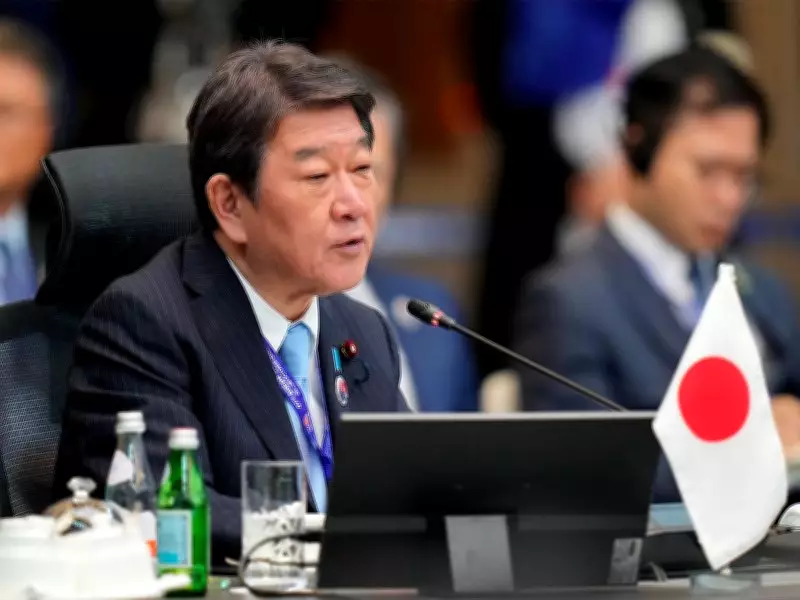
Japan Applauds IEA's Landmark Decision to Release 400 Million Barrels of Oil
In a significant development for global energy security, Japan has expressed strong support for the International Energy Agency's (IEA) recent decision to release 400 million barrels of oil from strategic reserves. This move is aimed at stabilizing volatile global oil markets and addressing supply concerns amid ongoing geopolitical tensions and economic uncertainties.
Strategic Response to Market Volatility
The IEA's decision, announced earlier this week, involves a coordinated release of oil from the strategic reserves of its member countries, including Japan. This action is designed to mitigate the impact of supply disruptions and prevent excessive price spikes that could harm the global economy. Japan, as a key member of the IEA, has hailed this initiative as a timely and necessary step to ensure energy stability worldwide.
Japanese officials have emphasized that this release underscores the importance of international cooperation in managing energy resources. By tapping into strategic reserves, the IEA aims to provide a buffer against potential shortages and support economic recovery efforts in the post-pandemic era. The 400 million barrels represent a substantial portion of global reserves, highlighting the scale of this intervention.

Implications for Global Energy Markets
The release of such a large volume of oil is expected to have immediate effects on global markets. Analysts predict that it could help lower oil prices, which have been fluctuating due to factors such as production cuts, geopolitical conflicts, and increased demand. Japan's endorsement of this move reflects its commitment to a stable and secure energy supply chain, which is crucial for its own industrial and economic activities.
This decision also aligns with broader efforts to transition towards more sustainable energy sources, as it provides temporary relief while longer-term solutions are developed. The IEA has been advocating for increased investment in renewable energy and energy efficiency, and this oil release is seen as a complementary measure to address short-term challenges.
Japan's Role and Future Outlook
As one of the world's largest importers of oil, Japan has a vested interest in maintaining stable energy markets. The country has been actively participating in IEA initiatives and has its own strategic petroleum reserves to manage supply risks. By supporting this release, Japan is reinforcing its position as a responsible global actor in energy governance.
Looking ahead, the IEA's action may set a precedent for future responses to energy crises. Japan and other member countries are likely to continue collaborating on strategies to enhance energy security, including diversifying energy sources and improving reserve management systems. This move serves as a reminder of the interconnected nature of global energy markets and the need for coordinated policies.






