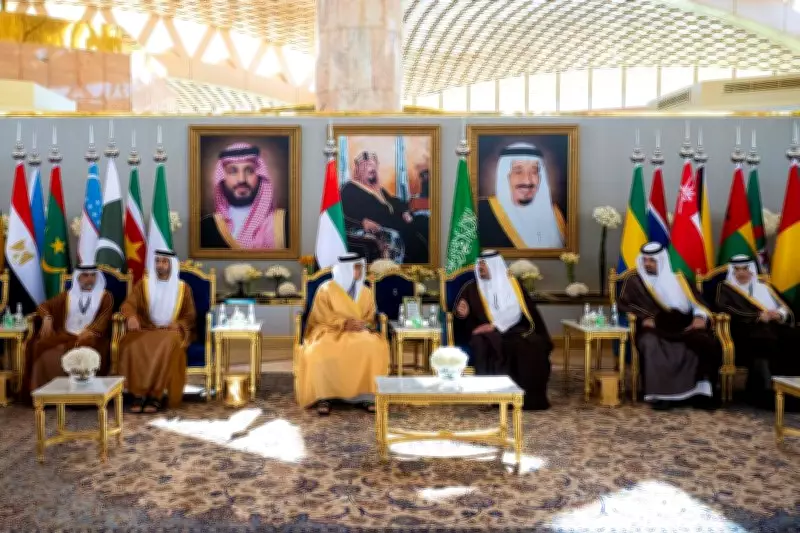
India must reassess its energy strategy in the wake of the United Arab Emirates' decision to exit the Organization of the Petroleum Exporting Countries. The UAE's departure from OPEC, driven by its ambitions to boost oil production capacity, signals a shift in global energy dynamics that could have significant implications for oil-importing nations like India.
Understanding the UAE's Move
The UAE, one of OPEC's key members, has decided to leave the cartel after a disagreement over production quotas. The country aims to increase its production capacity to 5 million barrels per day by 2030, up from the current 4 million. This move reflects a broader trend where major oil producers seek more flexibility in output decisions, potentially leading to lower oil prices in the short term.
Implications for India
India, as the world's third-largest oil consumer, imports over 80% of its crude oil requirements. The UAE has been a reliable supplier, accounting for about 10% of India's crude imports. While the UAE's exit may not immediately disrupt supplies, it underscores the need for India to diversify its energy sources to mitigate risks associated with geopolitical uncertainties.

India must look beyond traditional suppliers and invest in renewable energy sources such as solar and wind power. The country has already made significant strides in this direction, with ambitious targets to achieve 500 GW of non-fossil fuel capacity by 2030. However, the transition needs to be accelerated to reduce dependence on oil imports.
Strategic Partnerships
In addition to diversifying energy sources, India should strengthen strategic partnerships with other oil-producing nations, including those in Africa and the Americas. For instance, India has been increasing crude imports from the United States and Brazil. Furthermore, India can leverage its strategic location to become a hub for refining and petrochemicals, adding value to imported crude.
Renewable Energy and Innovation
The UAE's exit also highlights the importance of investing in energy innovation. India should focus on developing advanced biofuels, hydrogen energy, and energy storage technologies. By fostering research and development in these areas, India can position itself as a leader in the global energy transition.
In conclusion, the UAE's departure from OPEC serves as a wake-up call for India to accelerate its energy diversification efforts. By embracing renewable energy, forging new partnerships, and investing in innovation, India can enhance its energy security and reduce vulnerability to global oil market fluctuations.