

India and European Union Forge Historic Trade Alliance with MFN Status
In a landmark development for global commerce, India and the European Union are poised to grant each other Most Favoured Nation (MFN) status as part of their newly concluded free trade agreement. This significant move, embedded within the draft text of the comprehensive pact, will formally bind both economic powerhouses to World Trade Organization disciplines and ensure neither side imposes new import or export restrictions beyond established global rules.
Eighteen Years of Negotiations Culminate in Transformative Pact
The historic agreement represents the culmination of nearly eighteen years of complex negotiations between New Delhi and Brussels. Following legal vetting and ratification by the European Parliament and Indian authorities, the pact is expected to take full effect within approximately one year. This timeline marks the beginning of a new era in Indo-European economic relations that promises substantial benefits for both regions.
The economic implications are substantial, with the agreement designed to progressively eliminate or reduce tariffs on an impressive 96.6% of traded goods by value. European Commission estimates suggest the deal could potentially double EU exports to India by 2032 while saving European companies approximately €4 billion annually in duties that currently hinder trade flows.

Leadership Hails "Blueprint for Shared Prosperity"
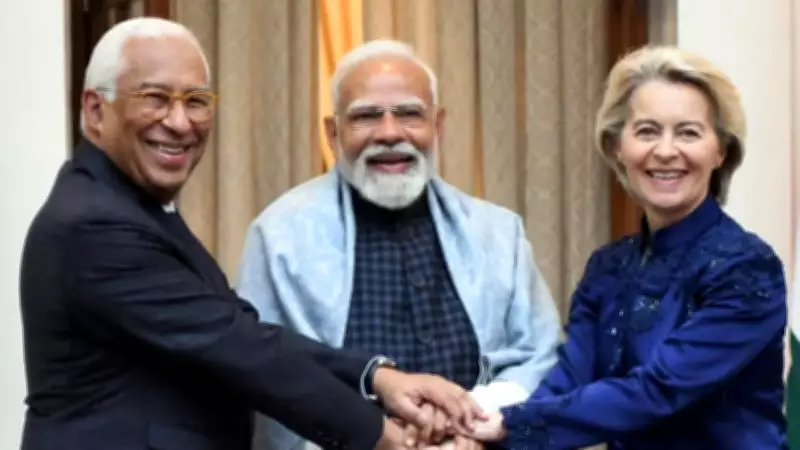
Prime Minister Narendra Modi has characterized the agreement as "a new blueprint for shared prosperity" between India and Europe. European Commission President Ursula von der Leyen has similarly emphasized the pact's transformative potential, noting it will create "a free trade zone of two billion people" that strengthens economic security in an increasingly volatile global landscape.
The tariff elimination framework establishes clear timelines for market access. India will ultimately remove duties on 96% of goods by trade value, implementing phased reductions over periods extending up to ten years. Meanwhile, the European Union will open 99.5% of its market by trade value, with most tariff lines falling to zero either immediately upon implementation or within a seven-year window.
Protections for Sensitive Sectors and Comprehensive Standards
Recognizing the need to protect domestic industries, both parties have agreed to exclude certain sensitive agricultural sectors from the tariff elimination framework. Dairy products, rice, sugar, and beef will maintain existing protections, ensuring these vital industries face minimal disruption from the new trade regime.
Beyond tariff reductions, the agreement establishes comprehensive frameworks for multiple aspects of bilateral trade:
- WTO-aligned food safety and plant health standards
- Streamlined customs procedures to expedite cross-border commerce
- Binding appeal mechanisms for dispute resolution
- Deeper digital trade cooperation recognizing privacy as a fundamental right
- Preserved authority over personal data protection and cross-border data flows
Immediate Benefits for Key Export Industries
The agreement delivers immediate advantages for specific sectors on both sides. Indian exporters in textiles, leather products, gems and jewelry, and seafood will gain zero-duty access to the vast European market from the pact's implementation. Conversely, European automobile manufacturers and alcohol producers will benefit from steep tariff reductions when accessing India's growing consumer market.
The comprehensive nature of the agreement extends well beyond goods trade, encompassing wide-ranging services sectors and including substantive provisions on intellectual property protection, labor standards, and sustainable development goals. This holistic approach ensures the partnership addresses contemporary economic challenges while establishing frameworks for future cooperation.

As the world watches this historic economic alignment take shape, the India-EU free trade agreement represents not merely a commercial arrangement but a strategic partnership that will reshape global trade patterns for decades to come. The granting of Most Favoured Nation status symbolizes mutual commitment to rules-based trade while creating unprecedented opportunities for businesses and consumers across two continents.





