Greenland's Economic Reality: Subsidies and Shrimp Sustain the Island
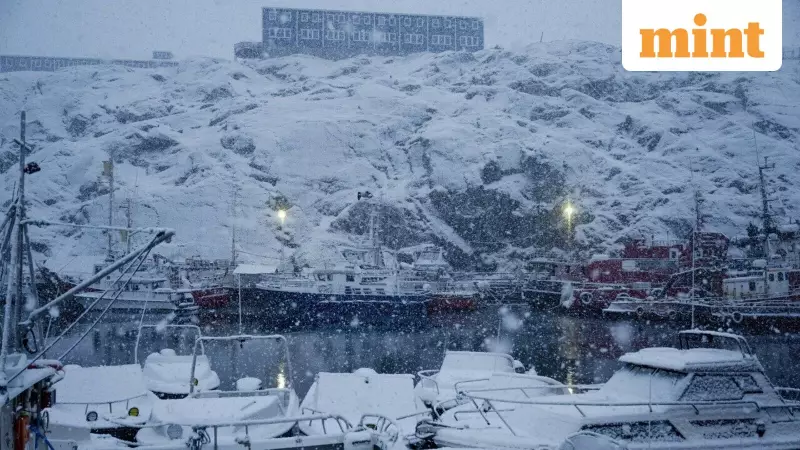
Greenland presents a unique economic picture. This vast island depends significantly on annual subsidies from Denmark, exceeding $1 billion. These funds support nearly half of the government's revenue and about 20% of the GDP. Fishing, particularly shrimp exports, drives the local economy alongside recent airport investments.
However, both sectors show declining trends. The economy grew only 0.8% in 2024 and a mere 0.2% in 2025. Falling shrimp stocks and prices contribute to this slowdown. Warmer sea temperatures affect shrimp reproduction, while cod populations that prey on shrimp are rising.
A Society Built on Danish Support
Greenland operates as one of the world's largest welfare states. Residents enjoy benefits like free healthcare and quality schools, funded by Denmark. The Danish grant also covers police, courts, and banking regulation. Approximately 40% of Greenland's workforce holds government jobs.

Living standards vary dramatically across the island. In the capital Nuuk, people play golf and dine at fine restaurants. Remote settlements often lack basic infrastructure, with residents sometimes melting ice for bathing. The entire island has less than 100 miles of paved roads.
Mining Dreams Face Harsh Realities
Greenland possesses substantial mineral reserves beneath its ice. Transforming the economy from 98% seafood exports to a mining powerhouse requires massive investment. Building mines often necessitates constructing roads, ports, housing, and amenities in extreme conditions.
The government owns all mineral rights but has imposed moratoriums on oil, gas, and uranium exploration. Currently, only one active mine operates. Economic analyst Torben Andersen notes many projects have stalled over twenty years due to unviable business cases.
U.S. Interest and Geopolitical Calculations
The Trump administration has expressed strong interest in acquiring Greenland, though the Greenlandic government maintains it is not for sale. U.S. officials have discussed direct payments to Greenlanders and potential independence arrangements with continued subsidies.
If the U.S. replaced Danish funding, Greenlanders would become the largest per-capita recipients of federal grants globally. Comparatively, the Marshall Islands receives about $2,875 per person annually from the U.S., while Denmark's contribution equates to roughly $17,500 per Greenlander.
Internal Divisions and Future Challenges
Public opinion reveals interesting divides. Polls show most Greenlanders oppose joining the U.S., valuing Danish social protections. However, some coastal residents with lower living standards view potential U.S. involvement more positively, hoping for economic improvement.
Fisherman Jens Frederiksen suggests the U.S. could replicate Alaska's model, where citizens receive oil revenue dividends. He remains open to considering American offers despite representing a minority view.
Long-Term Economic Pressures
Greenland faces familiar Western challenges: an aging population, brain drain to Denmark, and significant labor shortages. The workforce numbers just 29,000 people. Immigration from Asia, particularly the Philippines, helps fill vacancies but doesn't fully address competence gaps.
The Bank of Greenland warns these factors pressure both economic performance and social cohesion. Recent reports indicate a surprising deterioration in public finances.
Potential Growth Areas and Danish Response
Several initiatives could stimulate future growth. Expanding hydropower plants near Nuuk might provide cheap energy to attract data centers. Tourism receives a boost through seasonal direct flights from Newark. Some analysts envision Greenland following Iceland's model, combining tourism, fishing, and energy to attract technology companies.
Facing potential U.S. interest, Denmark has committed an additional $250 million over three years for infrastructure projects, including a new regional airport and deep-water port.
Ultimately, Greenland's economic journey represents a marathon rather than a sprint. The island balances dependence on Danish subsidies with aspirations for greater autonomy and mineral development, all while navigating complex geopolitical interests.