The global economic and geopolitical landscape is poised for a turbulent 2026, marked by divergent monetary policies, dramatic energy interventions, and strategic trade manoeuvres. Major central banks are adopting a guarded stance as inflation cools unevenly, while recent US action in Venezuela and China's expanding export controls are reshaping energy and trade dynamics worldwide. This analysis threads together the key global developments and their potential repercussions for India.
Central Banks Navigate a Fragile Disinflation Path
After initiating a global easing cycle in 2025, the world's major central banks are expected to proceed with heightened caution this year. The disinflation process is slowing, growth remains resilient in some pockets, and rising geopolitical risks are clouding the outlook, leading to a pronounced divergence in policy approaches.
The US Federal Reserve, having delivered three rate cuts since September 2025, is anticipated to move carefully with limited additional cuts. The American economy continues to grapple with sticky inflation, and political uncertainties surrounding leadership transitions will keep the Fed under intense scrutiny.

Across the Atlantic, the Bank of England has already slowed its pace of rate reductions following a series of narrow votes. Weak growth prospects are prompting greater caution for the year ahead. In contrast, the European Central Bank appears near the end of its easing cycle, with stable inflation likely leading to a prolonged hold on rates.
In Asia, the Reserve Bank of India (RBI) is also projected to maintain a cautious, accommodative stance. A favourable low inflation print provides room for another potential rate cut to support growth. Japan stands as an outlier, with expectations pointing towards a continued gradual tightening of monetary policy throughout 2026.
US Shakes Global Energy Markets with Venezuela Move
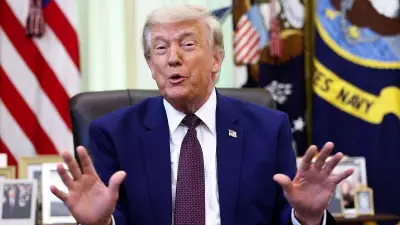
The global oil sector was jolted earlier this week by a dramatic geopolitical development. US forces captured Venezuelan President Nicolás Maduro, and the Trump administration announced it would directly oversee the country's oil sector. The plan involves bringing in major American companies to revive production, with promises of billions in investment to fix crumbling infrastructure and restart crude exports.
This intervention targets a nation sitting on the world's largest proven oil reserves, estimated at 303 billion barrels. Decades of mismanagement and sanctions have slashed Venezuela's output to a mere one million barrels per day. Most of its reserves consist of heavy, sour crude from the Orinoco Belt, which is complex and costly to refine.
Analysts caution that even with substantial US capital and expertise, meaningful output growth will take years, requiring comprehensive legal reforms, security guarantees, and lasting political stability. If successful, a revitalised Venezuela could emerge as a major supplier of heavy crude, easing global refinery bottlenecks and reshaping oil flows, particularly to the US Gulf Coast.
US Growth Defies Tariff Expectations, But Concerns Linger
Contrary to widespread predictions that tariff policies would stifle the economy, the United States recorded surprisingly robust growth in the second half of 2025. Economic activity surged by an impressive 4.3% in the July-September quarter, data that was delayed due to a government shutdown. President Donald Trump heralded this as the dawn of an 'economic golden age'.
The strong third-quarter performance was driven by higher consumer spending, improved trade dynamics, and robust investments in artificial intelligence (AI). However, economists at EY project this momentum will fade, forecasting growth to slow to 2.0% in 2025 and 1.9% in 2026. They warn that the pillars of current strength—spending by affluent consumers, AI investments, and asset-price strength—are vulnerable.
Further clouding the optimistic picture, the US job market shows signs of sluggishness. The unemployment rate climbed to 4.6% in November 2025, marking the highest level since September 2021, suggesting underlying economic strains.

China Wields Export Controls for Geopolitical Leverage
As the world's largest exporter with a trade surplus exceeding $1 trillion, China is increasingly using its dominance in critical materials as a tool of state power. Over the past two years, Beijing has imposed export controls on a range of vital minerals, including gallium, germanium, graphite, rare earths, and most recently, silver.
While China officially states these measures protect its technological edge, independent experts view them as a strategic play to gain geopolitical leverage, particularly over Western powers like the United States. Instead of blanket bans, China employs a case-by-case licensing system, allowing it to reward allies and penalise adversaries by tightening or relaxing norms.
These controls have had a direct and significant impact on India, which relies heavily on cheap imports from its neighbour. Supply chains for advanced manufacturing, including components for fighter jets, missile guidance systems, and automotive segments in the US, EU, and India, have been disrupted. The latest restrictions on silver could further ripple through the manufacturing of solar panels and high-end electronics, affecting global green energy and tech ambitions.
The convergence of these events—cautious central banks, energy market intervention, and trade weaponisation—sets the stage for a complex and volatile year for the global economy, with India needing to navigate these external shocks carefully.