

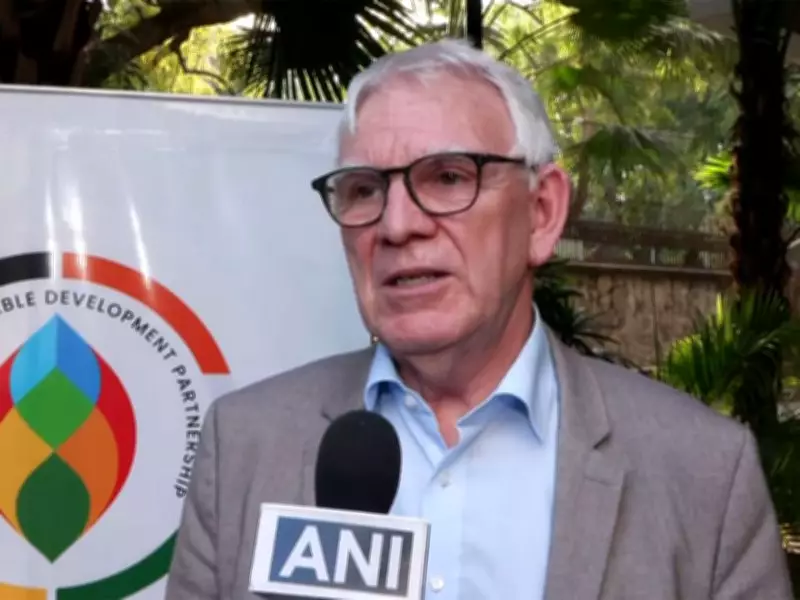
German Official Sounds Alarm on Tariffs, Calls for Free Trade to Combat Climate Change
In a stark warning to the international community, German State Secretary Jochen Flasbarth has declared that escalating tariffs are "poisoning" the world economy. He emphasized that fostering free trade is not merely an economic imperative but a critical component in the global fight against climate change.
The Toxic Impact of Rising Tariffs
Flasbarth, a senior official in Germany's Federal Ministry for Economic Cooperation and Development, highlighted how protectionist measures, such as increased tariffs, are creating significant barriers to international commerce. He argued that these policies disrupt supply chains, inflate costs for consumers and businesses, and stifle innovation by reducing competitive pressures. The cumulative effect, he noted, is a weakening of global economic resilience at a time when nations are grappling with post-pandemic recovery and geopolitical tensions.
"Tariffs act as a poison that undermines the very foundations of our interconnected economic system," Flasbarth stated, urging world leaders to reconsider trade policies that fragment markets.

Free Trade as a Catalyst for Climate Action
Beyond economic concerns, Flasbarth made a compelling case for linking trade liberalization with environmental sustainability. He pointed out that free trade facilitates the cross-border flow of green technologies, renewable energy solutions, and eco-friendly products, which are essential for reducing carbon emissions globally. By removing trade barriers, countries can accelerate the adoption of climate-friendly innovations and meet international climate targets more efficiently.
"Open markets enable the rapid dissemination of clean technologies, making them more affordable and accessible worldwide," he explained. This approach, he added, aligns with the goals of agreements like the Paris Accord, which rely on cooperative international efforts.
Policy Recommendations and Global Implications
Flasbarth called for a renewed commitment to multilateral trade frameworks, such as the World Trade Organization (WTO), to address trade disputes and promote fair practices. He suggested that nations should:
- Reduce tariff and non-tariff barriers on environmental goods and services.
- Integrate climate considerations into trade agreements to support sustainable development.
- Enhance international cooperation to prevent trade wars that could derail climate initiatives.
His remarks come amid growing tensions in global trade, with countries imposing tariffs on various goods, from steel to electronics. Flasbarth warned that without a shift towards more open trade policies, the world risks exacerbating economic inequalities and failing to achieve critical climate milestones.
In conclusion, Flasbarth's message underscores the interconnectedness of economic and environmental health. By championing free trade, he believes nations can build a more prosperous and sustainable future, turning trade from a potential source of conflict into a tool for global good.






