Finance Minister Warns of Enduring Global Economic Turbulence
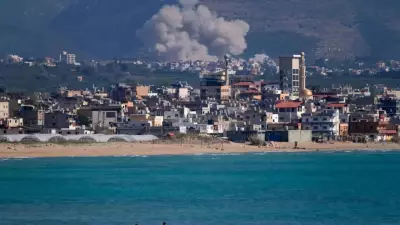
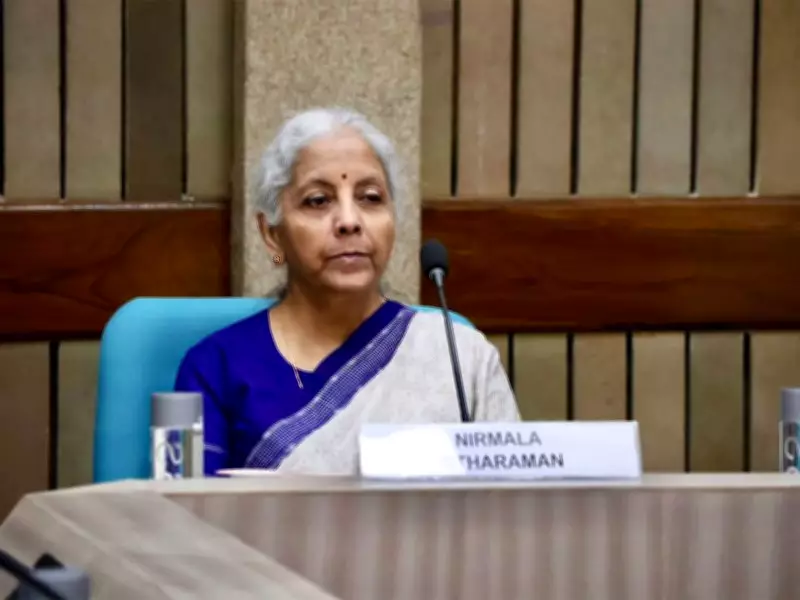
Finance Minister Nirmala Sitharaman has issued a stark warning about the evolving nature of global economic challenges, stating that the world is transitioning from temporary shocks to a state of permanent volatility. This shift is primarily driven by escalating global conflicts and persistent trade disruptions, which are creating an unstable environment for economies worldwide.
Key Drivers of Ongoing Instability
In her address, Sitharaman emphasized that the current geopolitical landscape, marked by conflicts in various regions, is a significant contributor to this volatility. She pointed out that these conflicts are not isolated incidents but are interconnected, affecting supply chains and international trade on a continuous basis. Trade disruptions, including sanctions, logistical bottlenecks, and protectionist policies, further exacerbate the situation, making it difficult for countries to achieve stable economic growth.
The Finance Minister highlighted that this new era of volatility requires nations to adopt more resilient economic strategies. She stressed the importance of diversifying trade partners, strengthening domestic industries, and enhancing financial buffers to withstand ongoing uncertainties. Sitharaman noted that India, under its current policies, is actively working to build such resilience through initiatives aimed at boosting manufacturing and reducing dependency on volatile global markets.

Implications for Global and Indian Economies
The shift to permanent volatility has profound implications for both the global economy and India's economic trajectory. Sitharaman explained that traditional economic models, which assume periods of stability between shocks, are becoming less relevant. Instead, policymakers must now account for continuous fluctuations in:
- Commodity prices, such as oil and food, which are highly sensitive to conflicts and trade issues.
- Currency exchange rates, as investors seek safe havens amid uncertainty.
- Investment flows, with capital moving erratically in response to geopolitical tensions.
For India, this environment poses both challenges and opportunities. Sitharaman asserted that the country's focus on self-reliance, or Atmanirbhar Bharat, is a strategic response to these global trends. By promoting local production and innovation, India aims to shield its economy from external volatilities while positioning itself as a stable player in the international arena. She also called for greater international cooperation to address the root causes of conflicts and trade barriers, advocating for multilateral dialogues to foster a more predictable economic order.
In conclusion, Sitharaman's remarks underscore a critical juncture in global economics, where volatility is no longer an exception but a constant feature. Her warning serves as a call to action for nations to rethink their economic policies and build systems capable of thriving amid ongoing disruptions. As the world grapples with these challenges, India's approach may offer insights into navigating this new reality of permanent volatility.