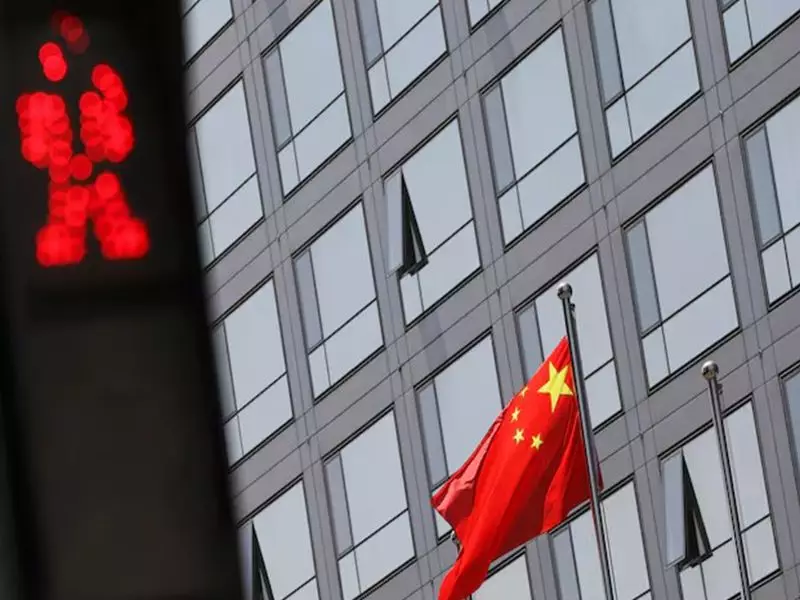
In a significant strategic shift, China is now placing its primary focus on boosting domestic consumption to ensure stable economic growth. This move comes as the world's second-largest economy navigates persistent trade tensions and a complex global landscape, according to a recent report.
The Strategic Pivot to Home-Grown Demand
The report, which has garnered attention from international analysts, indicates that Chinese policymakers are actively steering the economy away from its traditional heavy reliance on exports and investment-led expansion. Instead, they are crafting policies to stimulate spending within the country's own vast consumer market. This recalibration is seen as a direct response to external pressures, including ongoing trade frictions with major partners like the United States, which have exposed vulnerabilities in an export-dependent model.
This is not merely a short-term adjustment but appears to be a fundamental component of China's longer-term economic planning. By strengthening the domestic consumption pillar, authorities aim to build a more resilient and self-sustaining economic structure. The success of this transition is considered crucial for achieving what Beijing terms as "high-quality development."

Measures and Implications for Global Trade
To fuel this domestic consumption drive, China is expected to roll out a series of supportive measures. These could include targeted fiscal policies aimed at increasing household income, enhancing social safety nets to reduce precautionary savings, and fostering a more vibrant market for services and high-quality goods. The objective is to unlock the spending power of China's massive middle class, which continues to expand.
For the rest of the world, and particularly for major trading partners and exporters to China, this shift carries profound implications. A China that consumes more of what it produces could mean reduced surplus goods flowing into global markets, potentially altering trade balances. Conversely, it may also create new opportunities for foreign brands and products that cater to the sophisticated tastes of Chinese consumers, especially in sectors like technology, healthcare, and premium consumer goods.
Navigating a New Economic Reality
The report underscores that this transition will not be without challenges. Stimulating sustained consumer demand requires more than just policy announcements; it necessitates confidence in future income and economic stability. Furthermore, the shift occurs against a backdrop of demographic changes and a need to manage high levels of corporate and local government debt.
Nevertheless, China's decisive turn towards its home market marks a new chapter in its economic story. As the nation works to stabilize growth from within, the ripples will be felt across global supply chains and international trade dynamics. For countries like India, which have deep economic linkages with China, understanding this pivot is essential for navigating the evolving landscape of international trade and economic diplomacy in the coming decade.