

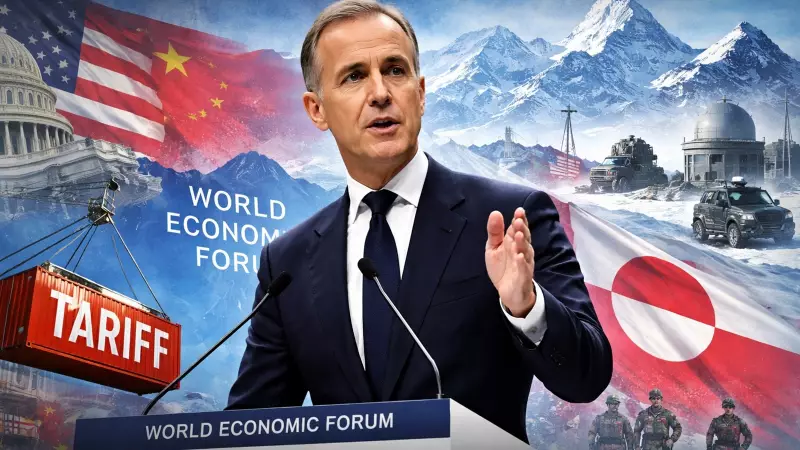
In a significant announcement that bridges economic leadership with philosophical depth, Mark Carney, the former Governor of the Bank of England, has been appointed to chair the World Economic Forum's annual meeting in Davos for 2026. This decision highlights a growing trend of integrating moral and ethical considerations into global economic discourse.
Connecting Economic Governance with Havel's Vision
The appointment draws direct inspiration from Václav Havel's seminal 1978 essay, 'The Power of the Powerless', which critiques authoritarian regimes and advocates for 'living in truth' as a form of resistance. Carney, known for his advocacy on climate change and sustainable finance, aims to embody Havel's principles by fostering transparency and integrity in economic policies.
Historical Context and Modern Relevance
Havel's work, written during Czechoslovakia's communist era, emphasized the importance of individual responsibility and ethical action against systemic lies. In today's context, Carney sees parallels in addressing global challenges like:

- Climate change and environmental degradation
- Economic inequalities and social justice
- Technological disruptions and their ethical implications
By chairing Davos 2026, Carney plans to steer discussions toward solutions that prioritize human dignity and truth over short-term gains.
Implications for Global Economic Forums
This move signals a shift in how international forums like the World Economic Forum approach leadership. Rather than focusing solely on financial metrics, there is an increasing emphasis on:
- Ethical Leadership: Encouraging leaders to adopt Havel's ideals of honesty and accountability.
- Sustainable Development: Aligning economic growth with long-term planetary health.
- Inclusive Dialogue: Engaging diverse voices to combat the 'living within the lie' phenomenon in global politics.
Carney's role is expected to influence agendas on climate finance, digital ethics, and governance reforms, making Davos 2026 a pivotal event for redefining economic priorities.
Carney's Personal Commitment to Havel's Legacy
In his statements, Carney has expressed admiration for Havel's courage and intellectual rigor. He believes that applying 'living in truth' to economics can help address crises like the COVID-19 pandemic recovery and geopolitical tensions. This philosophical grounding sets a precedent for future chairs, potentially transforming Davos into a platform for more principled and impactful discussions.
As preparations begin for Davos 2026, stakeholders worldwide are watching closely to see how Carney's leadership will translate Havel's timeless ideas into actionable policies for a more just and sustainable global economy.






