

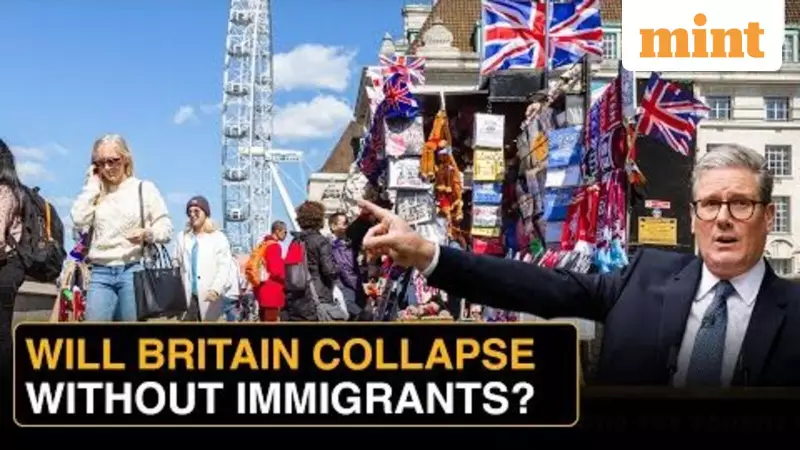
Britain is standing at a profound demographic crossroads, one that will redefine its society and economy for generations to come. A stark new analysis warns that the United Kingdom is about to cross a threshold not seen for over a century: deaths will permanently outnumber births starting from the year 2026. This marks a historic flip, moving the nation into an era of natural population decline where the native-born populace shrinks continuously.
The Inevitable Demographic Flip
The influential think tank, the Resolution Foundation, has issued this critical warning. Their report indicates that while the COVID-19 pandemic caused a temporary spike in deaths, the coming change is structural and permanent. The era of natural population growth—where more Britons are born than die each year—is ending. This shift returns the UK to a demographic state last witnessed in the early 1900s, fundamentally altering the nation's trajectory.
This turning point means that the engine of population change has completely shifted. From 2026 onward, net migration will become the sole determinant of whether the UK's overall population grows, stagnates, or declines. Immigration will no longer be a supplementary factor but the primary driver, holding immense power over the country's economic vitality and public finances.

Political Crossfire and Economic Realities
The demographic warning lands in the midst of a fierce political debate on migration. Prime Minister Keir Starmer's government has vowed to reduce immigration numbers. However, this pledge collides directly with the new demographic reality. The Resolution Foundation cautions that significantly lower migration numbers risk creating an older, slower economy. A shrinking workforce would struggle to support a growing elderly population, potentially straining public services like the NHS and pensions.
The political landscape is further charged by the surge in support for Reform UK, a party advocating for strict immigration controls. This creates a complex dilemma for policymakers: balancing public sentiment on migration with the stark economic necessities revealed by the demographic data.
A European Crisis Intensifies
Britain's situation is not isolated. It is part of a Europe-wide birth rate crisis that is intensifying debates on migration across the continent. Many European nations are grappling with ageing populations and declining birth rates, making immigration a central, and often contentious, topic in economic and social planning. The UK's experience serves as a leading indicator of the challenges that other advanced economies will increasingly face.
The implications are vast. An older demographic profile could lead to:
- Labour shortages in key sectors from healthcare to technology.
- Increased pressure on taxation and public spending to fund elder care.
- A potential dampening of economic growth and innovation.
As the UK approaches this irreversible demographic milestone, the question posed is urgent: Are immigrants now the UK's only hope for maintaining a dynamic and sustainable economy? The answer will shape the nation's policy, politics, and prosperity for decades.






