France Takes Bold Step to Protect Minors with Social Media Ban for Under-15s
In a significant move to address growing concerns about online safety and mental health, France's National Assembly has approved legislation to ban children under 15 years old from accessing social media platforms. The vote, which passed with 116 in favor and 23 against, reflects increasing public anxiety about the impact of digital platforms on young people's well-being.
Legislative Details and Next Steps
The proposed bill specifically targets social networks and social networking functionalities embedded within broader digital platforms. Following the Assembly's approval, the legislation now moves to the Senate for consideration before returning to the lower house for a final vote. President Emmanuel Macron has expressed strong support for the measure, urging implementation by the start of the next academic year in September.
Following Australia's Lead in Digital Protection
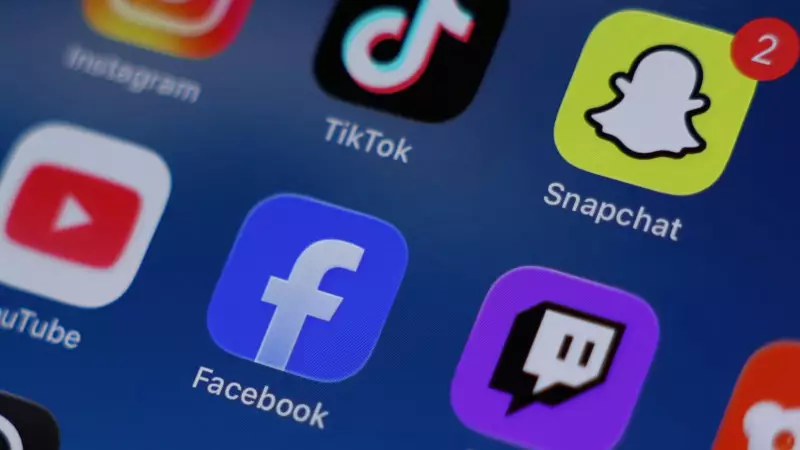
France's initiative follows Australia's groundbreaking ban on social media access for children under 16, which took effect in December and covers major platforms including Facebook, Snapchat, TikTok, and YouTube. Several other nations, including Britain, Denmark, Spain, and Greece, are reportedly studying Australia's approach as they consider similar protective measures.

Centrist lawmaker Laure Miller, who presented the bill, emphasized its importance during parliamentary debate: "With this law, we are setting a clear boundary in society and saying social media is not harmless. Our children are reading less, sleeping less, and comparing themselves to one another more. This is a battle for free minds."
European Context and Implementation Challenges
While the European Parliament has called for the European Union to establish minimum age requirements for social media access, individual member states retain authority to impose specific age limits. The French legislation would require platforms to implement age-verification mechanisms compliant with EU law, though enforcement presents significant challenges.
Australia's experience demonstrates potential implementation difficulties, as children claiming to be under 16 flooded social media feeds with messages celebrating their continued access despite the ban. Far-right French lawmaker Thierry Perez described the situation as a "health emergency," asking: "Social media has allowed everyone to express themselves, but at what cost to our children?"
Broad Public Support and Additional Measures
A 2024 Harris Interactive survey revealed substantial public backing for the proposed restrictions, with 73% of French citizens supporting a social media ban for children under 15. The legislation also extends existing smartphone prohibitions in junior and middle schools to include high schools, creating a more comprehensive approach to digital protection in educational settings.
Parisian teenagers expressed mixed reactions to the proposed ban, with some acknowledging the dangers associated with social media while others considered the restrictions excessive. Despite these varied perspectives, the legislative move represents France's commitment to addressing what many view as a critical issue affecting youth development and mental health in the digital age.