US Discloses Three Failed Negotiation Rounds Before Israel's Military Action on Iran
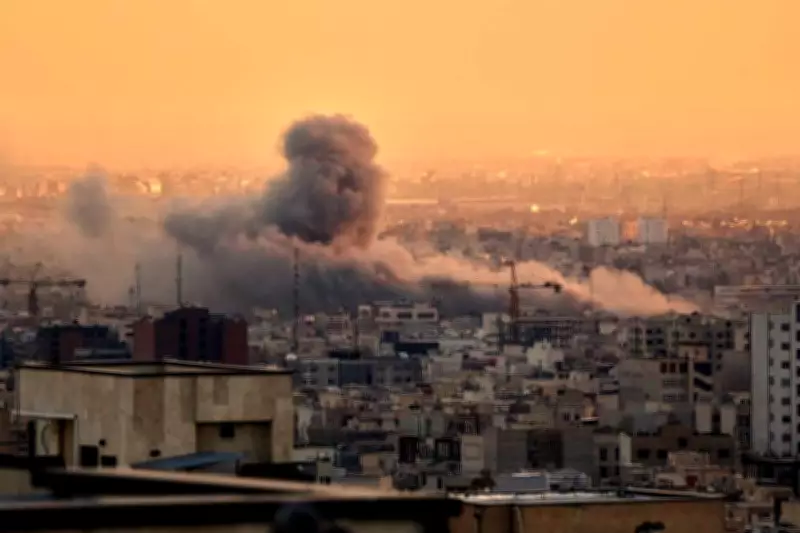
The United States has revealed that three separate rounds of negotiations between Israel and Iran ended in failure, directly preceding Israel's recent military action against Iran. This disclosure sheds new light on the escalating conflict in the Middle East, highlighting the diplomatic breakdown that led to heightened military tensions.
Details of the Failed Negotiation Efforts
According to US officials, the negotiations aimed to address longstanding disputes and regional security concerns between Israel and Iran. The talks involved high-level diplomats and were conducted over several months, but ultimately collapsed due to irreconcilable differences on key issues such as nuclear programs, regional influence, and security guarantees.
The first round of negotiations focused on de-escalation measures and confidence-building steps. However, both parties remained entrenched in their positions, with Israel demanding strict limitations on Iran's military activities and Iran insisting on the removal of sanctions and recognition of its regional role.

The second round attempted to broker a temporary ceasefire and establish communication channels to prevent miscalculations. Despite initial progress, disagreements over the scope and enforcement mechanisms led to a stalemate, with neither side willing to compromise on core security interests.
In the third and final round, mediators proposed a comprehensive framework addressing nuclear non-proliferation, missile development, and proxy conflicts. This effort also failed as trust eroded and both nations accused each other of bad faith, setting the stage for military confrontation.
Implications for Regional Stability
The failure of these negotiations has significant implications for regional stability. The absence of a diplomatic resolution has increased the risk of broader conflict, with potential spillover effects on neighboring countries and global energy markets. US officials expressed concern over the deteriorating situation, emphasizing the need for renewed diplomatic efforts to prevent further escalation.
Key points from the US assessment include:
- The negotiations highlighted deep-seated mistrust and competing strategic interests between Israel and Iran.
- Military action was seen as a last resort by Israel after diplomatic avenues were exhausted.
- The US continues to monitor the situation closely, urging restraint and dialogue to avoid a wider war.
Global Reactions and Future Prospects
International reactions have been mixed, with some countries calling for immediate de-escalation and others supporting Israel's right to self-defense. The United Nations and other multilateral organizations are exploring avenues for mediation, but prospects for a quick resolution remain slim given the complex geopolitical dynamics.
Looking ahead, experts warn that without a renewed commitment to diplomacy, the conflict could intensify, posing challenges to global security and economic stability. The US disclosure underscores the urgency of finding a peaceful solution to prevent further military actions and humanitarian crises in the region.