

US Military Conducts Precision Strikes on Iranian Missile Sites Near Strait of Hormuz
In a major escalation of military operations in the Middle East, the United States has launched targeted strikes against Iranian missile facilities located in close proximity to the vital Strait of Hormuz. The operation, which took place recently, involved the use of advanced 5,000-pound bunker buster bombs designed to penetrate hardened underground targets.
Details of the Military Operation
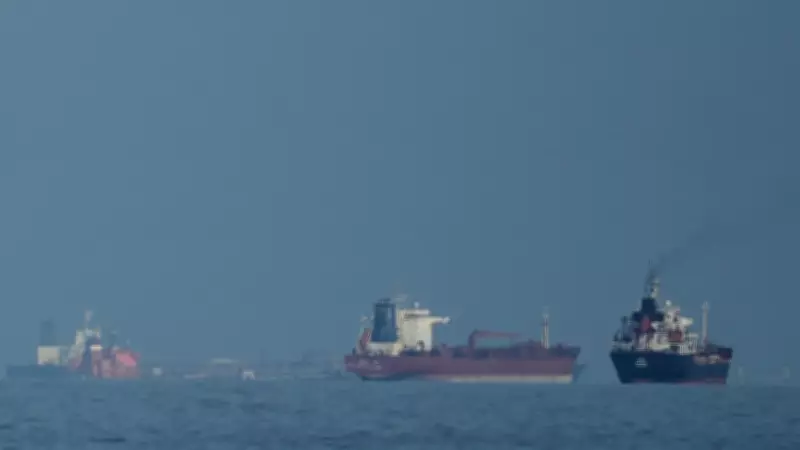
The strikes were executed with precision, focusing on missile launch sites and storage facilities that the US intelligence community assessed as posing a direct threat to maritime security and international shipping lanes. The Strait of Hormuz is a critical chokepoint for global oil shipments, making its security a top priority for the US and its allies.
The use of 5,000-pound bunker buster bombs underscores the seriousness of the threat perceived by US military planners. These massive munitions are specifically engineered to destroy deeply buried fortifications and command centers, indicating that the targeted Iranian sites were likely well-protected and of significant strategic value.

Regional and Global Implications
This military action comes amid ongoing tensions between the United States and Iran, which have been simmering for years over issues including Iran's nuclear program, its support for proxy militias across the region, and previous attacks on commercial vessels in the Gulf waters.
The timing and scale of these strikes are likely to have profound implications for regional stability. Neighboring countries and international stakeholders are closely monitoring the situation, concerned about potential retaliatory measures from Iran and the risk of a broader conflict erupting in an already volatile part of the world.
International Reactions and Diplomatic Fallout
Initial reactions from global capitals have been mixed, with some allies expressing support for the US action as a necessary measure to counter Iranian aggression, while others have called for restraint and a return to diplomatic channels. The United Nations and other international bodies are expected to address the escalation in upcoming sessions.
The US Department of Defense has stated that the operation was conducted in accordance with international law and aimed at degrading Iran's ability to launch missile attacks that could threaten freedom of navigation. However, critics argue that such strikes could further inflame tensions and undermine efforts to revive the Iran nuclear deal.
Strategic Importance of the Strait of Hormuz
- The Strait of Hormuz is one of the world's most strategically important maritime passages.
- It serves as a gateway for approximately one-fifth of the global oil supply, making its security paramount to the global economy.
- Any disruption in this area can lead to significant spikes in oil prices and economic instability worldwide.
In conclusion, the US military's deployment of heavy bunker buster bombs against Iranian missile sites near the Strait of Hormuz marks a significant and dangerous escalation in the long-standing confrontation between Washington and Tehran. The world now watches anxiously to see how Iran will respond and whether this latest development will push the region closer to a full-scale conflict.






