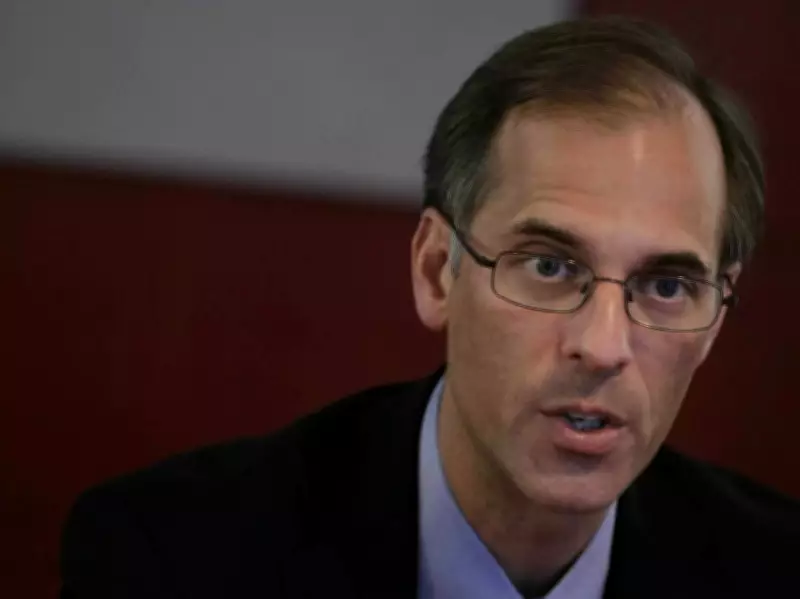
The United States has only days to finalize a peace agreement with Iran to avert a potential recession, according to Mark Zandi, chief economist at Moody's Analytics. Speaking to Bloomberg, as reported by Business Insider, Zandi highlighted that rising oil prices due to stalled negotiations have pushed the US economy to a critical threshold.
Iran Halts Negotiations, Blocks Strait of Hormuz
Iran recently announced it would halt negotiations and block the Strait of Hormuz until its key demands are met. This action sent Brent crude and US West Texas Intermediate (WTI) oil prices up by approximately 7%. The disruption threatens global energy supplies and has already driven the US national average gas price to $4.32 per gallon. Zandi warned that if prices climb to $5 per gallon, consumer spending could collapse, tipping the US economy into recession.
Urgency for a Peace Deal
Zandi emphasized that a peace deal must be reached within "the next day, to days, three days, next week or so." Beyond that, he said, "we've got a real problem." He pointed to dwindling US oil reserves, with the Strategic Petroleum Reserve falling to 365 million barrels, the lowest in two years. Rising crude prices above $125 per barrel would mark another critical threshold signaling recession risk.

President Donald Trump has teased a deal for weeks but has yet to deliver concrete progress. Energy analysts at HFI Research echoed Zandi's urgency, writing that "within hours, within days, Trump's options and time are running out." They warned that if the Strait of Hormuz remains closed by the end of June, global oil inventories will hit operational minimums, triggering severe economic damage.
Probability of Recession Rising
The New York Federal Reserve's analysis showed the Treasury-implied probability of a US recession within the next 12 months at 17% as of April. Zandi cautioned that without a peace deal, that probability could rise sharply as oil shocks ripple through consumer markets.
In a separate webcast hosted by Marcus & Millichap, Zandi warned that the United States is at a high risk of recession unless policymakers change course on various key economic fronts. He stated that the odds of a downturn in the next 12 months stand at about 40%, reflecting fragile growth conditions. Zandi argued that the biggest threats to the economy are "counterproductive policy choices" such as broad-based tariffs, restrictive immigration measures, and foreign policy missteps. He also emphasized that the Federal Reserve must remain independent and avoid politically driven decisions. "It is the policy headwinds that are significantly raising the threat of recession," he told Business Insider.
Despite the elevated risk, Zandi said he still sees a path to sidestep a recession if the government pivots away from damaging policies.