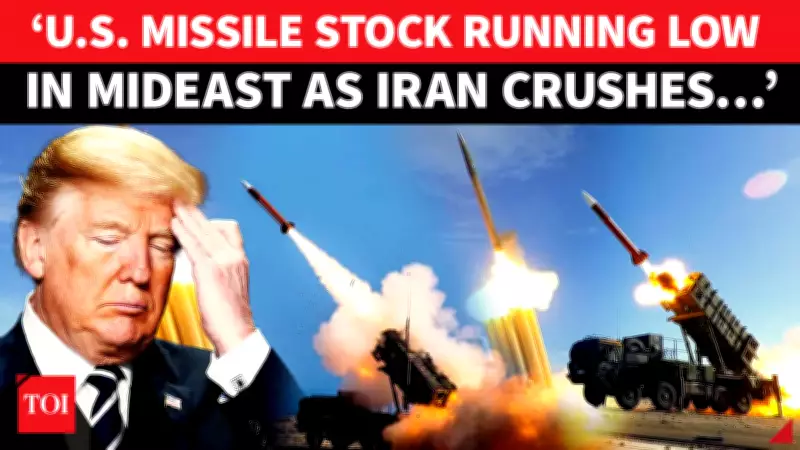
Iranian Strikes Exhaust US Missile Inventories, Forcing Rapid Resupply
The ongoing military confrontation between the United States and Iran is exerting unprecedented pressure on American defense capabilities, with reports indicating critical shortages in air-defense missile stocks. As Iranian retaliatory operations escalate across the Middle East, U.S. forces are grappling with the rapid depletion of essential munitions, necessitating emergency shipments to replenish supplies.
Massive Weapons Expenditure in Initial Phase
According to U.S. Central Command, American military actions have targeted over 5,000 sites within Iran, utilizing a formidable arsenal including advanced bombers, fighter jets, and missile defense systems. A The Washington Post analysis reveals that the first 48 hours of the campaign alone consumed an estimated $5.6 billion worth of weaponry, underscoring the immense scale and cost of the operations.
Strategic Concerns Over Strait of Hormuz
Amid the intensifying conflict, former President Donald Trump has issued a stern warning to Tehran against obstructing maritime traffic through the Strait of Hormuz, a crucial global oil transit route. This statement highlights broader geopolitical tensions and the potential for further economic disruptions as the war unfolds.

Broader Regional Impact and Escalation
The conflict's ripple effects are evident across the region, with incidents such as:
- Iranian drone strikes targeting Dubai Airport, resulting in casualties.
- Massive missile attacks on Israeli urban centers, including Tel Aviv.
- Assaults on American military installations in Iraq and Qatar.
- Espionage crackdowns by Iran's IRGC against alleged U.S. and Israeli operatives.
These developments point to a widening theater of operations, complicating U.S. strategic responses and resource allocation.
Internal and External Pressures on US Strategy
The situation has sparked internal debates within the U.S. administration, with some officials reportedly urging a de-escalation, while Trump faces criticism for his handling of the conflict. Concurrently, Iran has defiantly rejected external demands to end hostilities, signaling a protracted struggle ahead.
As the U.S. rushes to address missile shortages, the sustainability of its military campaign remains in question, with implications for regional stability and global security dynamics.