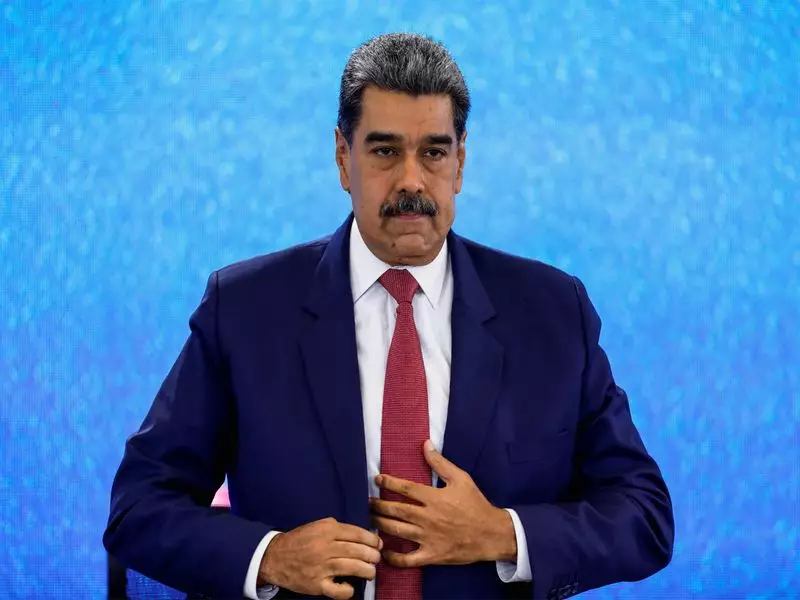
In a dramatic escalation of tensions, the United States has executed a significant military operation in Venezuela, culminating in the capture of the country's President, Nicolás Maduro. The action, codenamed 'Operation Absolute Resolve', involved targeted strikes by US forces, raising immediate and profound questions about sovereignty and the use of force under international law.
The Execution of Operation Absolute Resolve
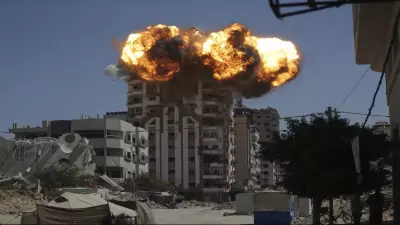
According to reports, the operation was carried out by the United States Southern Command (SOUTHCOM). The military intervention included precision strikes on specific targets within Venezuelan territory. The primary objective, as stated, was the detention of President Maduro, who has long been a figure of contention between the US and his government.
The US administration has justified this unprecedented move by citing a range of grievances against the Maduro regime. These include allegations of human rights abuses, corruption, drug trafficking, and the undermining of democratic institutions. For years, Washington has recognized opposition leader Juan Guaidó as the legitimate interim president of Venezuela, further isolating Maduro's government diplomatically and economically.

International Reaction and the UN Stance
The global response has been swift and mixed, with the United Nations quickly weighing in on the volatile situation. A UN spokesperson emphasized the critical need for all nations to 'respect international law and the principles of the UN Charter'. This statement is a clear reference to the Charter's prohibition against the use of force and the violation of another state's territorial integrity, principles that are foundational to the post-World War II international order.
Many nations are likely to view the US action as a direct violation of these core tenets. The operation sets a contentious precedent and is expected to spark intense debate in the UN Security Council, where members hold differing views on interventionism and state sovereignty. Regional powers in Latin America are also closely monitoring the fallout, concerned about stability and the potential for wider conflict.
Implications for Venezuela and Global Politics
The capture of Nicolás Maduro throws Venezuela into a state of deep political uncertainty. The immediate questions revolve around who will assume control of the government and how the nation's powerful military and loyalist factions will respond. The risk of internal strife or even civil conflict has increased significantly overnight.
On the world stage, 'Operation Absolute Resolve' marks one of the most direct military interventions by the US in Latin America in decades. It represents a stark shift from diplomatic and economic pressure to overt kinetic action. The long-term consequences are multifaceted:
- Legal Precedent: The operation challenges established norms of non-intervention, potentially encouraging similar actions by other powerful states.
- Regional Stability: Latin America may face renewed geopolitical tensions, with countries aligning either with the US action or in opposition to it.
- Humanitarian Concerns: Venezuela's profound economic and humanitarian crisis, marked by hyperinflation and mass migration, could be exacerbated by the current instability.
- US Foreign Policy: This move signals a potentially more aggressive US foreign policy doctrine in its perceived sphere of influence.
As the situation develops, the international community's focus will be on the UN's role in mediating the crisis, the reaction of Venezuela's institutions, and the humanitarian impact on the Venezuelan people. The call for respecting international law now stands as the central pillar of the diplomatic discourse surrounding this explosive event.