

Significant US Aircraft Losses Reported in Ongoing Iran Conflict
According to officials cited by Bloomberg, the United States military has suffered the destruction of at least 16 aircraft since the onset of hostilities with Iran. This substantial loss includes a notable number of advanced unmanned systems, highlighting the intense nature of the conflict.
Breakdown of Aircraft Destroyed and Damaged
The most severe impact has been on the fleet of MQ-9 Reaper drones, with 10 of these uncrewed aircraft shot down by enemy fire. Iranian air defenses have successfully targeted at least nine Reapers in flight, while another was hit on the ground at an airfield in Jordan by a ballistic missile. Two additional drones were lost in operational accidents. These drones are often deployed in high-risk environments due to their lower cost and lack of onboard pilots, making them somewhat expendable in combat scenarios.
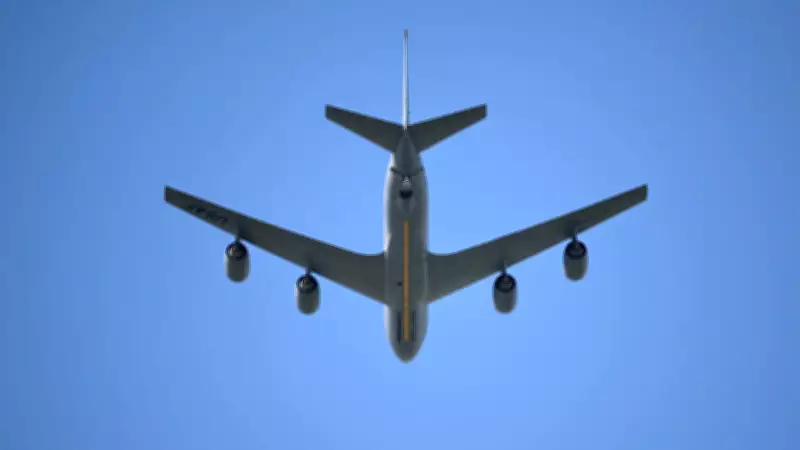
Beyond the drone losses, several crewed aircraft have also been destroyed or damaged. Three US F-15 fighter jets were downed by friendly fire in Kuwait, a tragic incident resulting from the fog of war. In another devastating accident, a KC-135 refueling tanker was destroyed during a mid-air operation, killing all six crew members on board. Furthermore, five additional KC-135 aircraft were reportedly damaged in an Iranian missile strike on a base in Saudi Arabia, underscoring the reach of Iran's retaliatory capabilities.

Operational Challenges and Air Superiority Struggles
The scale of US operations is believed to be a contributing factor to these losses. Analysts have noted that the number of sorties flown in the early phase of this conflict has exceeded those conducted during the opening of the Gulf War. "The difference might be a much greater rate of effort," said Peter Layton, as quoted by Bloomberg. This high operational tempo increases the risk of both combat losses and accidents.
Despite early efforts to neutralize Iran's air defenses, achieving full air superiority has proven difficult. A recent incident involved a US F-35 fighter jet being forced to make an emergency landing at a regional air base after being struck by what is believed to be Iranian fire. Fortunately, the pilot survived this encounter. US military officials acknowledge that only "localized air superiority" has been established in parts of Iranian airspace, highlighting ongoing operational challenges.
The continued presence of active air defenses is complicating efforts to secure key strategic routes, such as the vital Strait of Hormuz. This chokepoint for global oil shipments remains a contested area, with Iran maintaining the capability to threaten maritime and aerial passage.
Analysis of Accidents and Regional Retaliation
Military analysts point out that accidents during high-intensity operations are not uncommon. "Periodic accidents like the tragic mid-air collision with the KC-135s are an unfortunate likelihood in large, high tempo, high pressure combat operations," said Justin Bronk. These incidents, while tragic, are a grim reality of modern warfare conducted at such a scale.
As the conflict enters its third week, Iran has maintained a steady pace of regional strikes in retaliation for attacks on its assets. These include assaults on energy infrastructure in Qatar and Saudi Arabia, launched in response to strikes on Iran's South Pars gas field. This tit-for-tat escalation demonstrates the broader regional implications of the hostilities, drawing in Gulf states and threatening critical energy supplies.
The mounting aircraft losses for the US military underscore the fierce resistance posed by Iranian forces and the complexities of achieving air dominance in a contested environment. With both sides sustaining damage and the conflict showing no signs of immediate de-escalation, the strategic situation remains fluid and perilous for all involved parties.






