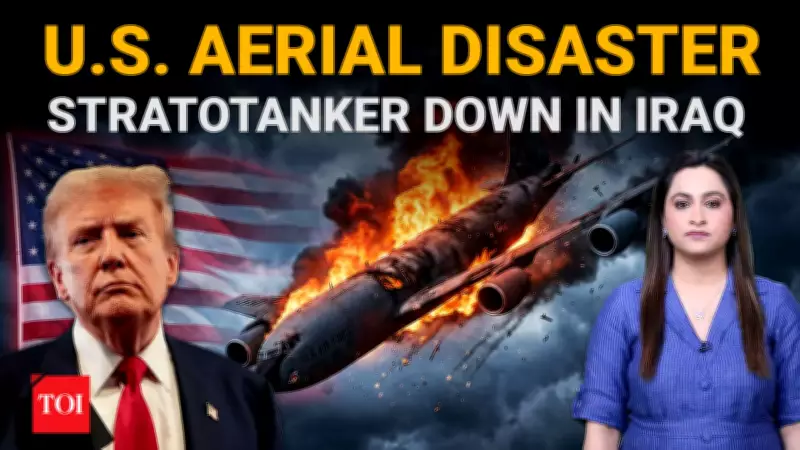
U.S. Military Crisis: KC-135 Stratotanker Lost in Iraq as Middle East Tensions Boil
In a significant blow to U.S. military operations, a KC-135 Stratotanker has crashed in western Iraq, marking the fourth American aircraft lost since February 2026. This incident underscores the severe operational strain and rising human costs of maintaining a massive U.S. aerial presence in the Middle East, as regional tensions reach a critical breaking point.
Details of the Crash and Its Implications
The sudden crash of the KC-135 Stratotanker occurred in western Iraq, with initial reports indicating it was a non-combat accident. However, this event is reshaping the strategic landscape, highlighting how even such mishaps can have devastating consequences in a high-intensity environment. The loss of this critical refueling aircraft exposes the staggering toll of sustained aerial missions, where equipment failures and human errors are amplified by the pressures of ongoing conflicts.
This crash follows a pattern of recent U.S. aircraft losses in the region, raising concerns about the sustainability of military operations. The KC-135 Stratotanker is a vital asset for mid-air refueling, enabling extended missions for fighter jets and other aircraft. Its loss not only impacts immediate operational capabilities but also strains resources as the U.S. grapples with escalating tensions involving Iran, Israel, and other regional actors.

Broader Context of Middle East Tensions
The incident comes amid a backdrop of boiling tensions in the Middle East, with multiple conflicts and threats converging. Recent developments include:
- Iran and Hezbollah launching joint assaults on Israel, resulting in injuries and damage.
- Iranian military claims that a "resistance missile" destroyed the U.S. aircraft, though this remains unverified.
- Russia and China teaming up at the United Nations to defend Iran against U.S. and Israeli accusations.
- Hezbollah's rocket barrages testing Israeli defenses, and fears of Iran's potential blockade of the Hormuz Strait.
These events illustrate a volatile regional environment, where the U.S. military presence is under constant pressure. The loss of the KC-135 Stratotanker adds to this complexity, as it may affect the U.S. ability to project power and respond to emerging threats effectively.
Human and Operational Costs
The crash has resulted in the tragic loss of four American service members, emphasizing the human cost of these operations. Beyond the immediate fatalities, such incidents strain military morale and resources, as the U.S. must now investigate the cause, recover wreckage, and potentially adjust its strategies.
Operationally, the loss of multiple aircraft since February points to potential issues with maintenance, pilot fatigue, or the harsh conditions of the region. As tensions escalate, the demand for aerial missions increases, pushing equipment and personnel to their limits. This crash serves as a stark reminder of the risks involved in maintaining a high-tempo military presence in conflict zones.
Strategic Repercussions and Future Outlook
The KC-135 Stratotanker crash is likely to have far-reaching strategic repercussions. It may force the U.S. to reevaluate its aerial deployment in the Middle East, considering factors such as:
- The sustainability of current mission tempos and resource allocation.
- The need for enhanced safety protocols and equipment upgrades.
- The diplomatic fallout, as adversaries like Iran may exploit this weakness.
As Middle East tensions continue to boil, with threats from Iran, Hezbollah, and other groups, the U.S. faces a challenging balancing act. Maintaining operational readiness while mitigating risks will be crucial in the coming months. This incident highlights how non-combat accidents can significantly impact military strategy and regional stability, urging a reassessment of approaches to aerial operations in high-threat environments.