US-Israel-Iran Conflict Enters Volatile Phase with Military and Diplomatic Escalations
The ongoing conflict involving the United States, Israel, and Iran has escalated into a more dangerous and multifaceted crisis, marked by heightened military preparations, diplomatic threats, and regional proxy warfare. Reports indicate that the Pentagon is actively developing plans for potential ground operations inside Iran, focusing on limited-duration missions rather than a full-scale invasion. These operations could involve raids by special operations forces and conventional troops targeting strategic locations such as Kharg Island, a critical oil export hub, and coastal areas near the Strait of Hormuz, a vital global shipping chokepoint.
Iran Issues Ultimatum and Threats Against US Institutions
In a sharp diplomatic move, Iran has issued a warning threatening retaliation against US-linked universities in the Middle East. This ultimatum follows reported strikes that destroyed two Iranian institutions, with Tehran demanding a formal condemnation from Washington by a specific deadline. The statement, published by Iranian media, underscores the deteriorating relations between the two nations and raises fears of further attacks on educational and civilian targets in the region.
Proxy Warfare Intensifies Across the Middle East
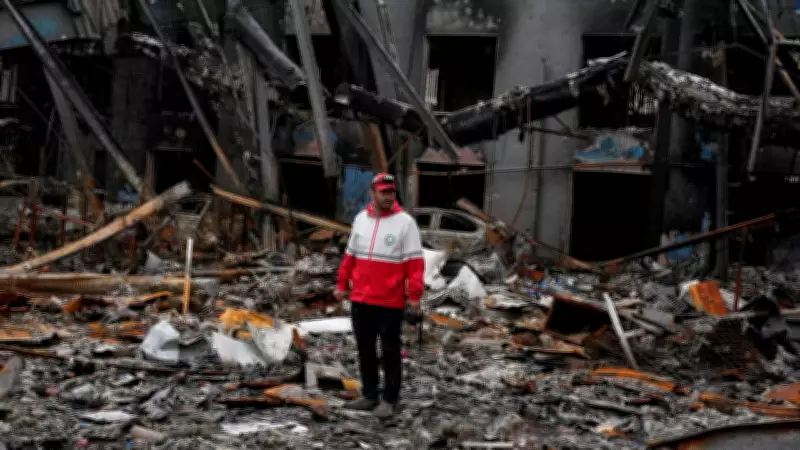
Regional hostilities have expanded through proxy actors, with Iran-aligned Houthi forces in Yemen launching repeated missile and drone attacks targeting Israel. The Houthis claim to have struck sensitive military sites and vow to continue operations, adding to tensions in the Arabian Peninsula and disrupting shipping lanes. Meanwhile, Israel has escalated its military activities, including warplanes breaking the sound barrier over Beirut, causing widespread alarm in Lebanon. The conflict has inflicted a severe humanitarian toll, with the World Health Organisation reporting the deaths of nine paramedics in Lebanon in a single day and significant damage to healthcare infrastructure.

Violence and Sovereignty Concerns in Iraq
In Iraq, violence has surged with a strike in Mosul killing two police officers and injuring others, with local authorities blaming the US and Israel. Additionally, the United States has condemned a drone attack targeting Nechirvan Barzani, the leader of autonomous Iraqi Kurdistan, attributing it to Iranian-backed militia groups. A State Department statement called this an assault on Iraq’s sovereignty, stability, and unity, highlighting the broader regional implications of the conflict.
Economic Repercussions and Energy Market Instability
The economic fallout from the conflict is becoming increasingly evident. Pakistan has raised jet fuel prices for commercial passenger aircraft for the fifth time in less than a month, citing the ongoing West Asia conflict and volatile global oil markets. Prices have surged dramatically since early March, reflecting broader instability in energy supply chains that could affect shipping and air travel costs worldwide.
Domestic Unrest in the United States
Amid these international developments, domestic unrest in the United States has added another layer of complexity. Millions of protesters have taken to the streets nationwide under the “No Kings” movement, criticising President Donald Trump’s leadership and condemning the war. Demonstrations across major cities reflect growing dissatisfaction over foreign policy decisions and fears of deeper military involvement in Iran, highlighting the political divisions at home.
Exiled Iranian Leader Calls for Regime Change
Iran’s exiled Crown Prince Reza Pahlavi has called for a complete regime change in Iran, asserting that the transition would be “orderly” and that the ruling establishment must go “in its entirety.” Speaking at the Conservative Political Action Conference in Dallas, Texas, Pahlavi argued that the existing system in Tehran cannot be reformed and must be completely dismantled to allow Iranians to determine their future through democratic means. He credited recent US military operations, referred to as “Midnight Hammer” and “Epic Fury,” with significantly weakening the regime by killing key leadership figures and damaging Iran’s missile and nuclear capabilities.

US Diplomatic Stance and Military Planning
Despite advanced planning for ground operations, US Secretary of State Marco Rubio has maintained that Washington “can achieve all of our objectives without ground troops.” However, reports suggest that contingency plans are well-developed, with officials indicating that preparations are not last-minute. President Donald Trump has not yet approved any deployment, but the ongoing planning signals a readiness for escalated military action if deemed necessary.
The convergence of military escalation abroad, diplomatic tensions, economic disruptions, and political unrest at home underscores the gravity of the current situation, with the potential for further instability in the Middle East and beyond.