US-Israel-Iran War Enters Ninth Day with Escalating Regional Strikes
The military confrontation between the United States, Israel, and Iran has now entered its ninth consecutive day, marked by a significant escalation in drone attacks, missile strikes, and widening regional consequences. What began as joint US and Israeli operations targeting Iranian territory on February 28 has rapidly evolved into a broader conflict spanning multiple nations across the Gulf region, Iraq, and Lebanon.
Intensified Attacks Across Multiple Fronts
Over the past twenty-four hours, military engagements have been reported across several Middle Eastern countries including Saudi Arabia, Bahrain, Iraq, and Kuwait. Israel has notably intensified its campaign within Iranian borders, conducting precision strikes on fuel storage facilities in Tehran while simultaneously expanding operations in Lebanon. Concurrently, Iran and its allied militant groups continue to target US military assets and regional allies with coordinated attacks.
Key Military Developments and Escalations
Israeli Operations in Lebanon: Israel confirmed executing a precise strike in Beirut targeting senior commanders from Iran's Revolutionary Guards operating within Lebanese territory. The Israeli military stated these commanders were actively involved in planning attacks against Israeli civilians and military targets. This operation represents a significant escalation in Israel's expanding campaign against Iranian-linked forces throughout the region.

Civilian Impact in Lebanon: A separate Israeli drone strike hit the Ramada Hotel in Beirut's Raouche district, resulting in four fatalities and ten injuries according to Lebanese health authorities. This attack on a civilian tourist area demonstrates how the conflict is increasingly affecting non-military locations as Israel broadens its operations against Iranian networks.
Regional Fallout Across the Gulf
The conflict has spilled dramatically across the Gulf region with multiple countries reporting missile and drone incursions:
- Saudi Arabia: Defense forces intercepted and destroyed fifteen drones entering Saudi airspace, including one targeting Riyadh's diplomatic quarter where the US embassy is located. Additional interceptions occurred near Prince Sultan Air Base and the Shaybah oil field.
- Qatar: Authorities reported being targeted by ten ballistic missiles and two cruise missiles fired from Iran, with most successfully intercepted without casualties.
- Kuwait: Hostile drones entered Kuwaiti airspace, targeting fuel tanks at Kuwait International Airport and prompting precautionary reductions in crude oil production.
Expanding Conflict in Iraq
Multiple drone strikes were reported across Iraq's northern Kurdish region, including an attack on Irbil International Airport that killed one security personnel and injured another. Additional strikes targeted buildings in Sulaymaniyah city center and facilities linked to Kurdish forces. In a significant development, a missile landed inside the US embassy compound in Baghdad's Green Zone, marking the first such strike within this heavily fortified area since hostilities began.
Strategic Strikes on Iranian Infrastructure
Israeli strikes targeted fuel storage facilities in Tehran, creating massive fires that illuminated the capital's skyline. This represents one of the first instances where civilian industrial infrastructure has been directly struck during the conflict. Israel maintains these fuel complexes were supplying Iran's military operations, while Iranian media attributed the attacks to joint US-Israeli actions.
Political Developments and Leadership Statements
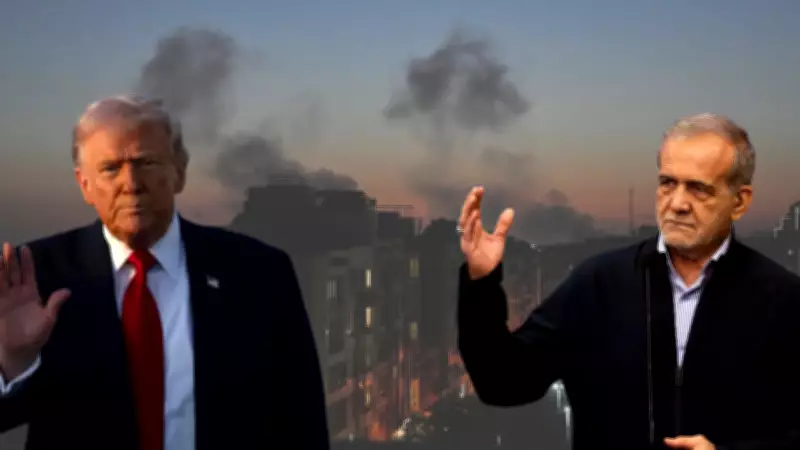
US Position: President Donald Trump explicitly rejected the possibility of negotiations with Iranian leadership, stating "We're not looking to settle" despite ongoing hostilities. Trump claimed US and Israeli operations have significantly degraded Iran's military capabilities, including naval, air force, and missile infrastructure.

Iranian Leadership Dynamics: Iranian officials delivered mixed messages regarding war strategy. President Masoud Pezeshkian suggested pursuing diplomacy with Gulf neighbors, while judiciary chief Gholam Hossein Mohseni-Ejei warned of continued attacks against US facilities in the region. Meanwhile, preparations have begun for selecting a new supreme leader following Ayatollah Ali Khamenei's death during initial strikes, adding political uncertainty to Iran's military challenges.
Regional Security Implications
The expanding conflict raises serious concerns about the targeting of critical infrastructure and diplomatic zones throughout the Gulf region. The increasing frequency of drone and missile attacks on airports, oil facilities, and embassy compounds demonstrates how previously secure locations are becoming vulnerable in this widening confrontation. As military operations intensify across multiple fronts, regional stability faces unprecedented challenges with no immediate resolution in sight.