US-Israel-Iran Conflict Enters Day 17 Amid Escalating Regional Tensions
The ongoing military confrontation between the United States, Israel, and Iran has now reached its seventeenth day, with no immediate signs of abatement. The conflict, which has rapidly intensified over the past two weeks, continues to destabilize the broader Middle East and West Asian regions, drawing global attention to the volatile geopolitical landscape.
Critical Impact on Global Oil Supply Through the Strait of Hormuz
One of the most significant consequences of the prolonged hostilities has been the severe disruption to oil supply routes, particularly through the strategically vital Strait of Hormuz. This narrow maritime chokepoint, through which approximately one-fifth of the world's oil passes, has experienced operational challenges and security threats, leading to a sharp reduction in crude oil shipments.
The interruption has triggered widespread concerns among international energy markets, with analysts predicting potential spikes in global oil prices. Major economies reliant on Middle Eastern oil imports are closely monitoring the situation, as any prolonged blockade or damage to infrastructure could have far-reaching economic repercussions.

Mounting Casualties and Infrastructure Damages Reported
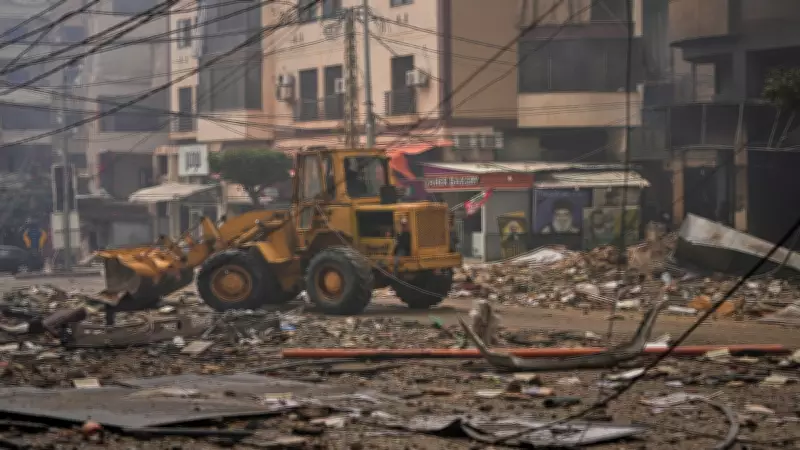
As the conflict persists, reports indicate a steadily increasing death toll and substantial damage to civilian and military infrastructure across affected areas. Both sides have sustained significant losses, though exact figures remain fluid due to the chaotic nature of the warfare and restricted media access in certain zones.
Urban centers and key industrial sites have borne the brunt of aerial bombardments and missile strikes, resulting in humanitarian crises with displaced populations and strained medical facilities. International aid organizations are calling for immediate ceasefires to allow for the delivery of essential supplies and evacuation of non-combatants.
International Diplomatic Efforts and Political Reactions
In response to the escalating violence, global diplomatic channels are actively engaged in efforts to mediate and de-escalate the situation. The United Nations Security Council has convened emergency sessions, while regional powers and European allies are advocating for restraint and dialogue.
Notably, former US President Donald Trump has publicly commented on the conflict, emphasizing the need for a decisive resolution and criticizing current administration policies. His statements have added a layer of domestic political dimension to the international crisis, influencing public discourse in the United States.
Broader Implications for Regional Stability and Global Security
The protracted conflict threatens to unravel decades of fragile stability in the Middle East, with potential spillover effects into neighboring countries. There are growing fears that the war could draw in additional state and non-state actors, further complicating peace initiatives.
Military analysts warn that the continuous exchange of hostilities risks triggering a larger regional war, which would have catastrophic consequences for global security and economic stability. The international community remains on high alert, with many nations reinforcing their diplomatic and defense postures in response to the unfolding crisis.