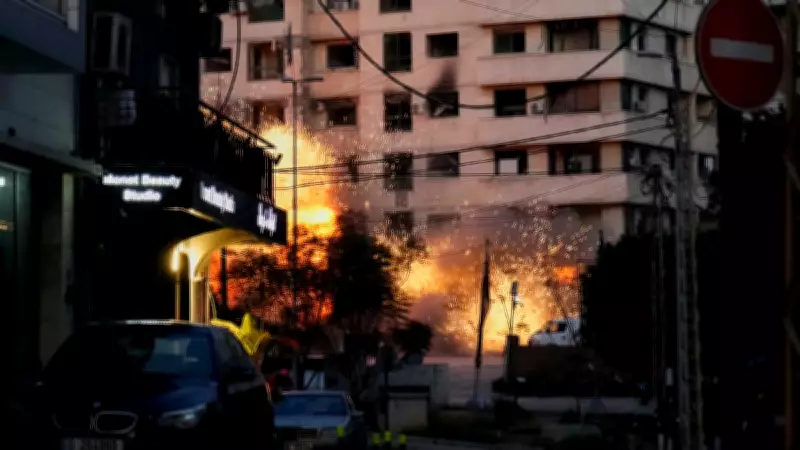
Report Claims US-Iran War to End on April 9, Negotiation Talks in Pakistan
A recent report has made a bold claim that the ongoing war between the United States and Iran is set to conclude on April 9, 2026, with high-stakes negotiation talks scheduled to be held in Pakistan. This development, if confirmed, could signal a major diplomatic breakthrough in a conflict that has persisted for years, impacting global stability and regional dynamics.
Details of the Alleged Peace Process
According to the report, the negotiations are expected to bring together key representatives from both the US and Iran, with Pakistan serving as a neutral venue for the talks. The choice of Pakistan as the host country is seen as strategic, given its historical ties and diplomatic influence in the region. The talks aim to address core issues that have fueled the war, including geopolitical tensions, security concerns, and economic sanctions.
The potential end of the war on April 9 is based on confidential sources cited in the report, though official confirmation from the involved governments is still pending. Analysts suggest that this timeline aligns with broader international efforts to de-escalate conflicts in the Middle East, but caution that such predictions are often subject to change due to the volatile nature of diplomatic negotiations.

Implications for Global and Regional Stability
If the war does end as claimed, it could have significant implications:
- Reduction in Military Hostilities: A ceasefire would likely lead to a decrease in armed clashes and military operations, potentially saving lives and reducing humanitarian crises in affected areas.
- Economic Impact: The resolution could stabilize oil markets and ease trade disruptions, benefiting global economies that have been affected by the conflict's ripple effects.
- Diplomatic Relations: Successful talks might pave the way for improved US-Iran relations, fostering cooperation on issues like nuclear non-proliferation and regional security.
- Role of Pakistan: Hosting the negotiations could enhance Pakistan's diplomatic standing, positioning it as a key mediator in international conflicts.
However, experts warn that the path to peace is fraught with challenges. Past attempts at negotiation have often stalled due to deep-seated mistrust and conflicting interests. The report's claims, while optimistic, should be viewed with caution until more concrete details emerge from official channels.
Background and Context of the US-Iran Conflict
The war between the US and Iran has its roots in long-standing geopolitical rivalries, with tensions escalating over issues such as Iran's nuclear program, regional influence, and US sanctions. The conflict has involved proxy wars, cyber attacks, and direct military engagements, contributing to instability in the Middle East and beyond. Recent years have seen periodic flare-ups, making the prospect of a definitive end particularly noteworthy.
International bodies and other nations have repeatedly called for dialogue to resolve the conflict, emphasizing the need for peaceful solutions to prevent further escalation. The reported talks in Pakistan, if they materialize, could represent a critical step in this direction, though their success will depend on the willingness of both sides to compromise and adhere to agreed terms.
As the situation develops, stakeholders worldwide are closely monitoring for updates, hoping that April 9, 2026, will indeed mark a turning point toward lasting peace. For now, the report serves as a reminder of the ongoing efforts to bridge divides and end one of the most protracted conflicts of the modern era.