US-Iran Naval Confrontation Intensifies in Critical Strait of Hormuz
In a significant escalation of regional tensions, the United States and Iran have engaged in a direct naval clash within the strategically vital Strait of Hormuz. This incident marks a dangerous new phase in the long-standing animosity between the two nations, with immediate implications for global oil markets and international security.
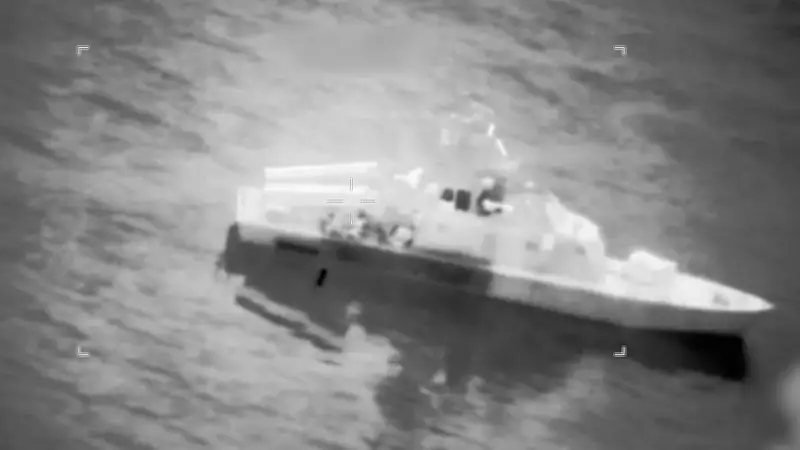
Video Evidence Reveals Strikes on Iranian Mine-Laying Vessels
Newly released video footage has provided stark visual confirmation of the confrontation, showing US military forces conducting precision strikes against Iranian vessels suspected of laying naval mines. The footage, which has been widely circulated and verified by multiple sources, depicts explosions and subsequent damage to the Iranian boats, highlighting the intensity of the engagement.
The Strait of Hormuz, a narrow chokepoint through which approximately one-fifth of the world's oil passes daily, has long been a flashpoint for US-Iran hostilities. This latest clash underscores the persistent volatility in the region and raises serious concerns about the potential for a wider military conflict that could disrupt global energy supplies.

Background and Immediate Reactions
The incident follows months of heightened rhetoric and minor skirmishes between US naval patrols and Iranian Revolutionary Guard Corps forces in the Persian Gulf. US officials have stated that the strikes were a defensive response to an imminent threat posed by the mine-laying activities, which they claim violate international maritime law and pose a direct danger to commercial shipping.
Iranian authorities have condemned the US actions as an act of aggression and a violation of its territorial waters, vowing to respond appropriately. This exchange of accusations has further inflamed diplomatic tensions, with both sides mobilizing additional military assets in the area.
Global Implications and Security Concerns
The escalation has triggered alarm among international observers and regional stakeholders. Key implications include:
- Oil Market Volatility: Immediate spikes in global oil prices due to fears of supply disruptions from the Persian Gulf.
- Maritime Security: Increased risks for commercial vessels navigating the Strait, potentially leading to higher insurance costs and rerouted shipping lanes.
- Diplomatic Fallout: Strains on international efforts to de-escalate tensions, with allies of both nations being drawn into the dispute.
- Regional Stability: Heightened chances of miscalculation or accidental conflict that could draw in other Middle Eastern powers.
Analysts warn that without swift diplomatic intervention, the situation could deteriorate rapidly, given the history of proxy conflicts and direct confrontations between US and Iranian forces in the region. The video evidence has made the clash more tangible to global audiences, increasing pressure on world leaders to address the crisis.
Looking Ahead: Uncertain Future for Gulf Security
As both nations reinforce their naval presences, the immediate focus is on preventing further incidents that could spiral into a full-scale war. International bodies, including the United Nations, are likely to call for restraint and dialogue, but past efforts have yielded limited success in bridging the deep-seated distrust between Washington and Tehran.
This latest confrontation serves as a stark reminder of the fragile security architecture in the Middle East and the ongoing challenges of managing great-power rivalries in critical global waterways. The world watches closely as developments unfold in the Strait of Hormuz, with hopes for de-escalation tempered by the reality of entrenched geopolitical divisions.