U.S. Navy F-35 Intercepts Iranian Drone in Arabian Sea Amid Rising Tensions
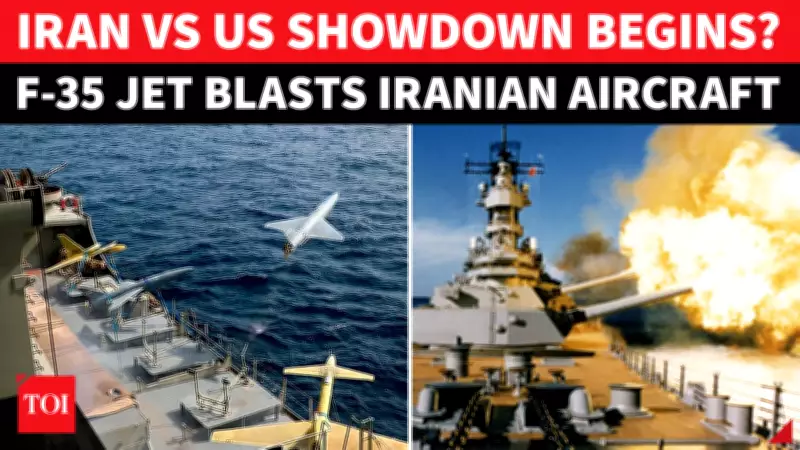
In a significant escalation of military tensions in the Middle East, a U.S. Navy F-35 fighter jet operating from the aircraft carrier USS Abraham Lincoln successfully shot down an Iranian Shahed drone over the Arabian Sea. The incident occurred after the unmanned aircraft made what U.S. officials described as an aggressive approach toward the American warship, prompting an immediate defensive response.
Details of the Confrontation and U.S. Response
According to a statement released by U.S. Central Command, the Iranian drone displayed unclear intent as it closed in on the USS Abraham Lincoln, creating a potential threat to the vessel and its crew. The F-35 pilot, acting under established protocols for self-defense, engaged and destroyed the drone to neutralize the risk. No American personnel were injured in the encounter, and there was no damage to U.S. military equipment, according to the command.
Strategic Timing and Regional Implications
This aerial showdown comes at a critical juncture in U.S.-Iran relations, unfolding just days before scheduled diplomatic negotiations between the two nations. The incident also coincides with a noticeable American military buildup in the region, which has been intensifying in recent weeks. Analysts suggest that such confrontations could complicate the already fragile diplomatic efforts aimed at de-escalating tensions.

The use of an advanced F-35 stealth fighter to counter a relatively low-cost Iranian drone highlights the technological disparity between the forces involved, yet underscores the persistent threats in volatile maritime zones like the Arabian Sea. This event marks one of the first direct kinetic engagements between U.S. and Iranian assets in recent months, raising concerns about potential miscalculations that could lead to broader conflict.
Broader Context and Future Outlook
The Middle East has been a hotspot for geopolitical friction, with incidents like this drone interception adding to a series of provocations and responses. Key factors influencing the current climate include:
- The impending U.S.-Iran talks, which aim to address nuclear concerns and regional stability.
- Ongoing American military reinforcements in the area, signaling a robust posture.
- Iran's continued use of drone technology for surveillance and potential offensive operations.
As both nations navigate this tense period, the international community watches closely, hoping that diplomatic channels can prevail over military confrontations. The downing of the Shahed drone serves as a stark reminder of the high stakes involved in maintaining security and peace in one of the world's most strategically important regions.