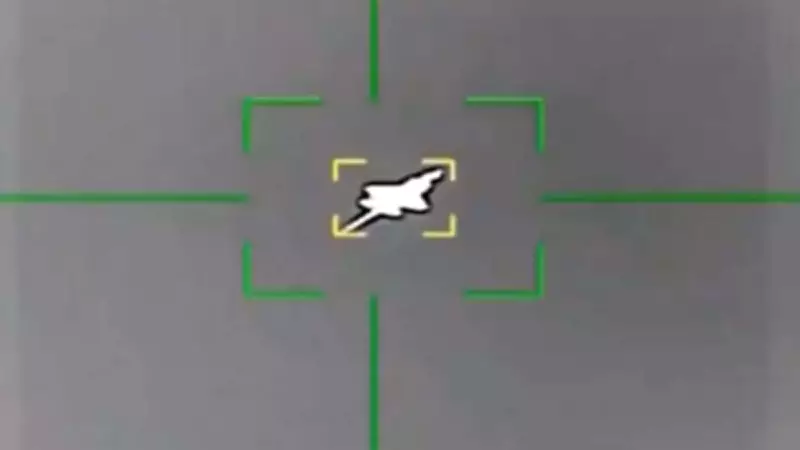
US F-35 Fighter Jet Damaged in Encounter with Iranian Aircraft, Forced to Land
A United States Air Force F-35 Lightning II stealth fighter jet was damaged during a tense aerial encounter with an Iranian military aircraft over the Middle East, compelling the advanced American warplane to execute an emergency landing. This incident, which occurred recently, underscores the volatile and escalating military tensions between the US and Iran in the strategically critical region.
Details of the Aerial Confrontation
According to reports, the F-35 was conducting a routine patrol mission in international airspace when it was approached by an Iranian aircraft. The exact type of Iranian plane involved has not been officially disclosed, but sources indicate it was a military reconnaissance or fighter jet. During the close-quarters maneuver, the Iranian aircraft made what US officials described as an "unsafe and unprofessional" intercept, resulting in physical damage to the F-35's external structure.
The damage, while not catastrophic, was significant enough to compromise the jet's operational integrity. The pilot, following standard emergency protocols, immediately diverted from the mission and navigated the aircraft to the nearest available allied airbase for a precautionary landing. The skilled aviator managed to land the sophisticated fifth-generation fighter safely, and there were no injuries reported among US personnel.

Immediate Aftermath and Regional Implications
Following the emergency landing, the damaged F-35 was secured at the airbase, and a thorough technical assessment was initiated by US Air Force maintenance crews to evaluate the extent of the damage. Preliminary inspections suggest the repairs could be extensive, potentially sidelining the multi-million dollar aircraft for a considerable period. The incident has been formally reported through military channels, and US authorities are expected to lodge a strong diplomatic protest with Iran over the dangerous intercept.
This event occurs against a backdrop of heightened friction in the Middle East, where US and Iranian forces have had several close encounters in recent years. The Strait of Hormuz and the skies over Syria and Iraq have frequently been flashpoints. Such incidents raise serious concerns about the risk of miscalculation that could inadvertently escalate into a broader military conflict, affecting global oil supplies and regional stability.
Broader Context of US-Iran Relations
The damaged F-35 incident is likely to further strain the already fraught relations between Washington and Tehran. Key points of contention include:
- Iran's nuclear program and ongoing negotiations.
- Iran's support for proxy militias across the Middle East.
- Maritime security in the Persian Gulf and frequent harassment of commercial shipping.
- Previous aerial incidents involving US drones and Iranian air defenses.
Military analysts note that the use of an F-35, one of the most advanced and expensive fighter jets in the world, in this encounter highlights the high-stakes nature of US military deployments in the region. The emergency landing also demonstrates the inherent risks pilots face during these tense patrols. As investigations continue, the international community will be watching closely to see how both nations manage this latest provocation to prevent a further deterioration of security in an already unstable part of the world.