US Military Downs Iranian Drone with Suspected Nuclear Intent in Arabian Sea
In a significant development that underscores the volatile security landscape in the Middle East, the United States military has intercepted and destroyed an Iranian drone over the Arabian Sea. The incident, which occurred recently, involved a drone that was reportedly carrying materials or equipment with potential nuclear applications, raising alarms about Iran's activities in the region.
Details of the Interception Operation
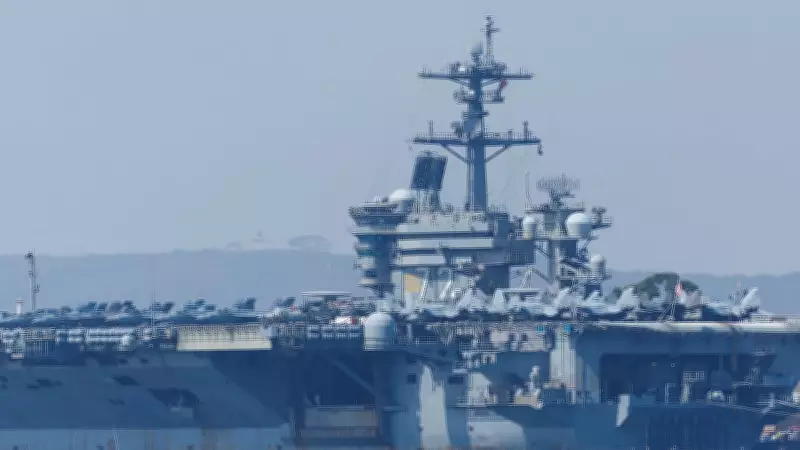
The operation was conducted by the US Navy, which detected the unmanned aerial vehicle (UAV) originating from Iran and heading into international waters. Upon confirmation of its suspicious payload, which intelligence sources suggest included components linked to nuclear programs, US forces took decisive action to neutralize the threat. The drone was shot down using advanced defense systems, preventing it from reaching its intended destination, though the exact location and timing of the event remain classified for operational security.
Implications for Regional Security and Diplomacy
This incident marks a notable escalation in the ongoing tensions between the United States and Iran, two nations with a history of confrontations in the Gulf region. The presence of nuclear-related materials on the drone adds a grave dimension to the encounter, potentially violating international norms and agreements aimed at curbing nuclear proliferation. Analysts warn that such actions could further destabilize the Arabian Sea area, a critical maritime corridor for global oil shipments, and complicate diplomatic efforts to address Iran's nuclear ambitions through negotiations.

Key aspects of this event include:
- Heightened Military Alertness: The US has increased surveillance and patrols in the Arabian Sea to counter similar threats, reflecting a proactive stance against perceived Iranian aggression.
- International Reactions: Allies and neighboring countries are closely monitoring the situation, with concerns about spillover effects on regional stability and trade routes.
- Nuclear Proliferation Concerns: The incident highlights ongoing worries about Iran's nuclear program, despite previous agreements, and could prompt renewed calls for stricter enforcement of sanctions.
Broader Context of US-Iran Relations
This drone interception occurs against a backdrop of strained relations, with previous incidents involving attacks on shipping vessels and diplomatic stalemates over nuclear deals. The Arabian Sea has become a flashpoint for such confrontations, as both nations vie for influence in the strategically important waters. The US action is seen as a clear message to Iran about the limits of its military activities, while Iran has yet to issue an official response, though it has historically denied any illicit nuclear intentions.
As tensions simmer, the international community watches closely, with implications for global security and energy markets. This event serves as a stark reminder of the fragile balance in the Middle East and the ongoing challenges in managing nuclear threats through military and diplomatic means.