UN Security Council Postpones Critical Hormuz Vote Amid Escalating Middle East Conflict
The United Nations Security Council has delayed a crucial vote on a Bahrain-sponsored resolution designed to protect commercial shipping through the strategically vital Strait of Hormuz. Originally scheduled for Friday and then Saturday, the vote has now been pushed to next week as intense diplomatic negotiations continue over the resolution's language. The draft resolution authorizes "all defensive means necessary" to safeguard vessels in the chokepoint that carries approximately one-fifth of global seaborne oil.
Iran Sustains Missile Barrage Against Israel
Amid these diplomatic delays, the Israeli military announced Saturday that it had detected and intercepted a fresh wave of missiles launched directly from Iranian territory. The Israel Defence Forces activated multi-layered defensive systems including Iron Dome, David's Sling, and Arrow interceptors to counter the incoming threats. This latest salvo continues Tehran's relentless retaliatory campaign that began after U.S.-Israeli strikes on Iranian military installations in late February 2026.
"Defensive systems are operating to intercept the threat," the IDF stated via its official Telegram channel, while issuing alerts urging civilians to seek shelter. Preliminary reports indicated multiple launches from western Iran with trajectories aimed at central and southern Israel, though specific targets remained unspecified.

Hezbollah Intensifies Cross-Border Attacks
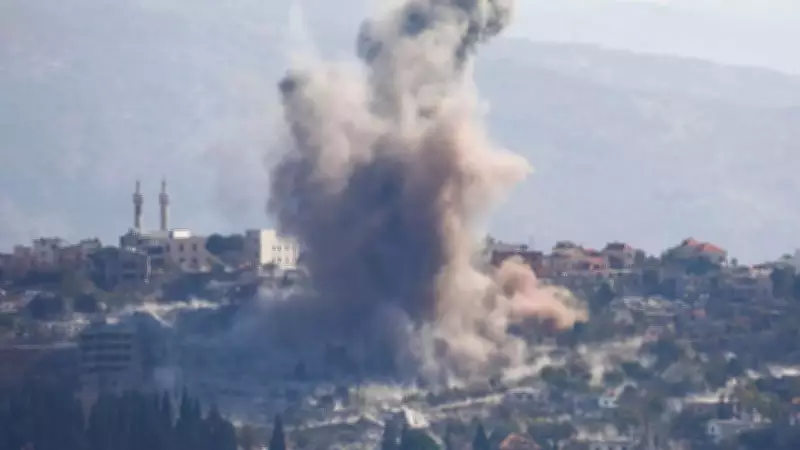
Simultaneously, Hezbollah announced a series of new missile strikes targeting Israeli soldiers and military vehicles in southern Lebanon. The Lebanese militant group claimed direct hits on Israeli forces in the al-Sadr area of Ainata town, as well as artillery positions and troop concentrations in Maroun al-Ras and al-Malikiyah along the volatile Blue Line border.
These coordinated assaults mark a significant escalation of Hezbollah's cross-border operations, which the group explicitly framed as retaliation for U.S. and Israeli strikes on Iranian targets. The timing aligns with heightened Iranian missile activity over Israel earlier Saturday, forcing Israel to maintain significant troop commitments along its northern frontier.
Mounting U.S. Casualties in Persian Gulf Theater
Pentagon data released Friday reveals 247 American service members wounded in the ongoing Iran conflict, with the death toll holding at 13 combat fatalities since hostilities erupted. The breakdown shows 200 Army soldiers, 63 Navy sailors, 19 Marines, and 36 Air Force airmen among the wounded, with most casualties occurring among mid- to senior-level enlisted troops.
These figures reflect mounting casualties as Tehran continues missile, drone, and air attacks on American positions across the Middle East, including bases in Kuwait, Bahrain, and Syria. The wounding patterns suggest heavier exposure among experienced enlisted ranks likely positioned on the front lines of base defense and air operations.
Diplomatic Challenges and International Responses
The UN resolution faces significant hurdles, with China expressing clear opposition to any authorization of force. Chinese U.N. envoy Fu Cong warned that such a move would "legitimize the unlawful and indiscriminate use of force" and risk deepening the conflict. Russia and some non-permanent members have also pressed to dilute the resolution's language.
Meanwhile, Britain hosted a meeting with more than 40 countries to discuss forming a coalition to secure safe passage through the Strait of Hormuz, signaling broad international support for Bahrain's initiative. If adopted, the resolution could become a key legal and political tool to reopen the vital waterway and curb further escalation.
Regional and Global Repercussions
Turkish President Recep Tayyip Erdogan told Russian President Vladimir Putin during a phone call that Turkey disapproves of both U.S.-Israeli attacks on Iran and Tehran's retaliation against neighboring countries. Ankara is positioning itself as a mediator while maintaining its delicate balancing act between NATO ally Washington and its relations with Moscow.

NATO Secretary General Mark Rutte will visit the United States from April 8 to 12, 2026, to meet with President Donald Trump, Secretary of State Marco Rubio, and Secretary of War Pete Hegseth amid rising alliance tensions over the escalating conflict. The visit comes as NATO members grapple with divisions over the U.S.-led campaign against Iran, including concerns about energy security and the closure of the Strait of Hormuz.
Oil markets continue to reel from the Hormuz near-closure, with President Trump vowing to reopen the strategic waterway soon. The conflict has already driven up global oil prices and strained regional security arrangements, with casualties mounting across multiple fronts from Gulf bases to the Lebanon-Israel border.
As proxies activate and air defense systems strain under sustained attacks, international mediators face growing urgency to contain spillover that could engulf the entire region in renewed full-scale war. The diplomatic off-ramps appear increasingly elusive amid veto fights at the UN and continued battlefield momentum.