Ukraine Ceasefire Enforcement Plan Ignites Fresh Russia-US Tensions
A confidential and highly structured ceasefire enforcement blueprint, reportedly devised by Ukraine and its Western allies, is generating significant geopolitical tremors across global capitals. This plan outlines a rigid, multi-stage response mechanism to any potential future violations by Russia, which could swiftly escalate from initial diplomatic warnings to direct military intervention.
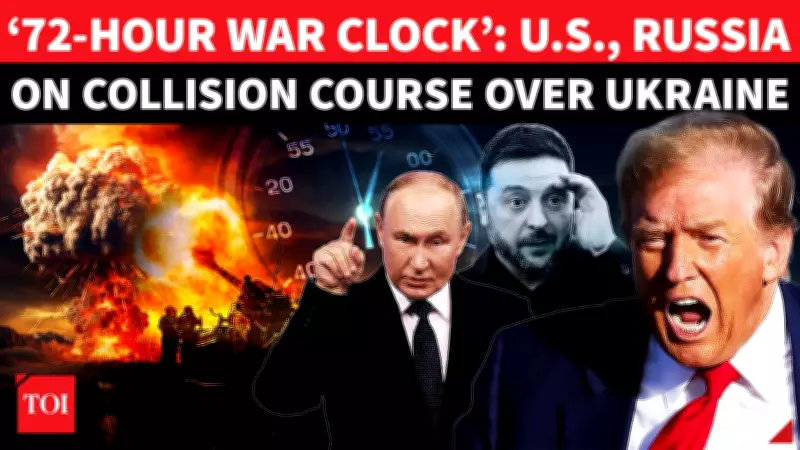
The 72-Hour Trigger: A Potential Gateway to Wider Conflict
The most contentious and explosive element of this framework is a stipulated 72-hour window. According to reports, if Russian breaches of the ceasefire persist beyond this critical period, it could formally trigger United States involvement in the conflict. This clause effectively transforms the proposed peace mechanism into a potential countdown timer, raising alarms that it might inadvertently hardwire escalation pathways into any future agreement.
High-Stakes Diplomacy in Abu Dhabi Amid Rising Deterrence
The revelation of this plan comes at a pivotal moment, as Russian, Ukrainian, and American envoys are preparing for crucial, high-stakes talks scheduled in Abu Dhabi. The atmosphere is one where traditional diplomacy is colliding head-on with strategies of military deterrence. What is being formally presented as a mechanism to enforce peace and stability is now being scrutinized for its potential to do the exact opposite—lowering the threshold for a rapid and dangerous escalation.

Analysts suggest that this development significantly raises the stakes for the upcoming negotiations. The plan's existence adds a layer of complexity and urgency, as parties navigate the fine line between securing a durable ceasefire and avoiding protocols that could automatically lead to a broader, more devastating confrontation between major powers.
Global Implications and the Risk of MiscalculationThe international community is watching with deep concern. The core fear is that a mechanism designed to prevent violations could, paradoxically, make a limited regional conflict more likely to spiral into a direct US-Russia confrontation. The 72-hour trigger is seen as a particularly risky element, potentially leaving little room for diplomatic maneuvering or de-escalation in the heat of a crisis.