UAE Reportedly Preparing to Join US Military Action Against Iran Over Strait of Hormuz
Recent intelligence reports indicate that the United Arab Emirates is actively preparing to potentially join the United States in military action against Iran, with the primary objective of forcing open the strategically vital Strait of Hormuz. This development marks a significant escalation in regional tensions and could have profound implications for global energy markets and geopolitical stability.
Strategic Importance of the Strait of Hormuz
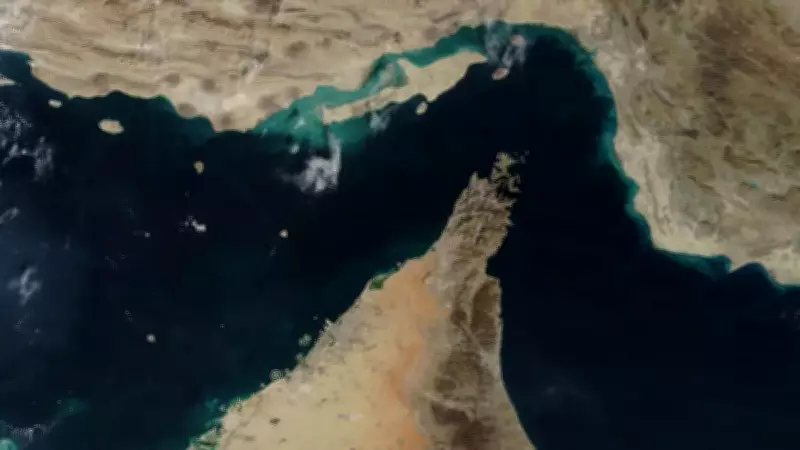
The Strait of Hormuz is one of the world's most critical maritime chokepoints, through which approximately one-fifth of global oil consumption passes daily. Any disruption to shipping through this narrow waterway, which connects the Persian Gulf with the Gulf of Oman and the Arabian Sea, would have immediate and severe consequences for international energy supplies and prices.
Iran has repeatedly threatened to close the strait in response to economic sanctions and military pressure from Western nations, particularly the United States. The potential involvement of the UAE, a key US ally in the region, represents a notable shift in the regional balance of power and underscores the seriousness of the current standoff.

Military Preparations and Regional Implications
According to the latest updates, UAE military forces are reportedly being mobilized and positioned for potential combat operations. This preparation includes coordination with US military assets already deployed in the region, suggesting a possible joint operation aimed at securing maritime passage through the strait.
The UAE's potential participation in such a conflict would significantly alter the dynamics of any confrontation with Iran. As a neighboring Gulf state with substantial military capabilities and close ties to Western powers, the UAE's involvement could potentially draw other regional actors into the conflict and escalate tensions throughout the Middle East.
Global Response and Economic Concerns
The prospect of military action in the Strait of Hormuz has already begun to affect global markets, with oil prices showing increased volatility in response to the reports. International observers and diplomatic channels are closely monitoring the situation, with many world leaders calling for restraint and diplomatic solutions to avoid a broader regional conflict.
Economic analysts warn that any sustained closure of the strait could trigger a global energy crisis, with particularly severe impacts on energy-importing nations in Asia and Europe. The potential for disruption to global trade routes extends beyond oil, affecting container shipping and other commercial maritime traffic through one of the world's busiest waterways.
Historical Context and Current Tensions
The current situation builds upon years of escalating tensions between Iran and Western powers, particularly following the US withdrawal from the Iran nuclear deal and the reimposition of economic sanctions. The Strait of Hormuz has been a flashpoint in these tensions, with multiple incidents of tanker seizures and naval confrontations in recent years.
The UAE's reported preparations represent a significant development in this ongoing geopolitical struggle, potentially marking a transition from diplomatic and economic pressure to direct military confrontation. Regional security experts note that the involvement of Gulf states like the UAE could fundamentally reshape the conflict's dynamics and consequences.
As the situation continues to develop, international observers are watching closely for any signs of de-escalation or further military buildup. The potential for miscalculation or accidental escalation remains high, with global stability hanging in the balance as these powerful nations maneuver in one of the world's most strategically important regions.