UAE Thwarts Major Aerial Assault from Iran, Intercepts Over 1,500 Projectiles
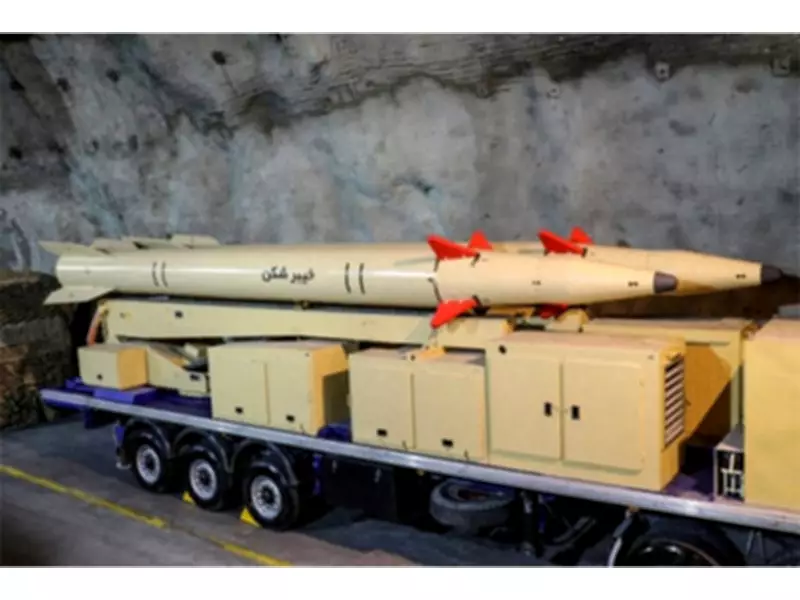
In a significant military development amid the ongoing West Asia conflict, the United Arab Emirates (UAE) has reported successfully intercepting a massive aerial assault originating from Iran. According to official statements, UAE defense systems neutralized a total of 1,342 unmanned aerial vehicles (UAVs or drones), 221 ballistic missiles, and 8 cruise missiles launched by Iranian forces. This unprecedented interception operation highlights the escalating tensions and the sophisticated defense capabilities deployed in the region.
Details of the Intercepted Barrage
The intercepted projectiles represent one of the largest coordinated attacks in recent history. The breakdown includes:
- 1,342 UAVs: A swarm of drones, likely intended to overwhelm air defenses and target critical infrastructure.
- 221 ballistic missiles: High-speed projectiles capable of carrying significant payloads over long distances.
- 8 cruise missiles: Precision-guided weapons designed for accurate strikes against specific targets.
This multi-layered attack underscores Iran's aggressive posture and the complex threat landscape facing Gulf nations. The UAE's ability to intercept such a vast number of incoming threats demonstrates advanced radar, missile defense, and counter-drone technologies operational within its borders.

Context of the West Asia Conflict
The interception comes against the backdrop of heightened hostilities in West Asia, where regional powers are increasingly engaged in proxy conflicts and direct military posturing. Iran's launch of these projectiles is seen as a direct response to geopolitical rivalries and ongoing disputes over influence, oil resources, and security arrangements. The UAE, a key ally of Western nations and a member of the Gulf Cooperation Council (GCC), has been bolstering its defenses in anticipation of such threats.
Analysts suggest that this event could mark a turning point, potentially drawing other nations into the conflict or prompting calls for international mediation. The sheer scale of the intercepted barrage raises concerns about the potential for escalation and the risk to civilian populations and economic hubs in the area.
Implications for Regional Security
The successful interception by the UAE has several critical implications:
- Enhanced Defense Posture: It validates the UAE's investments in air and missile defense systems, such as the Patriot and THAAD batteries, which played a crucial role in neutralizing the threats.
- Diplomatic Ramifications: This incident is likely to strain Iran-UAE relations further and could lead to increased sanctions or military support from allied countries like the United States and Saudi Arabia.
- Economic Stability: By preventing potential damage to infrastructure, the UAE has safeguarded its oil exports and tourism sector, which are vital to its economy.
As tensions simmer, the international community is closely monitoring the situation, with calls for de-escalation to prevent a broader regional war. The UAE's proactive defense measures set a precedent for how Gulf states might respond to similar threats in the future.