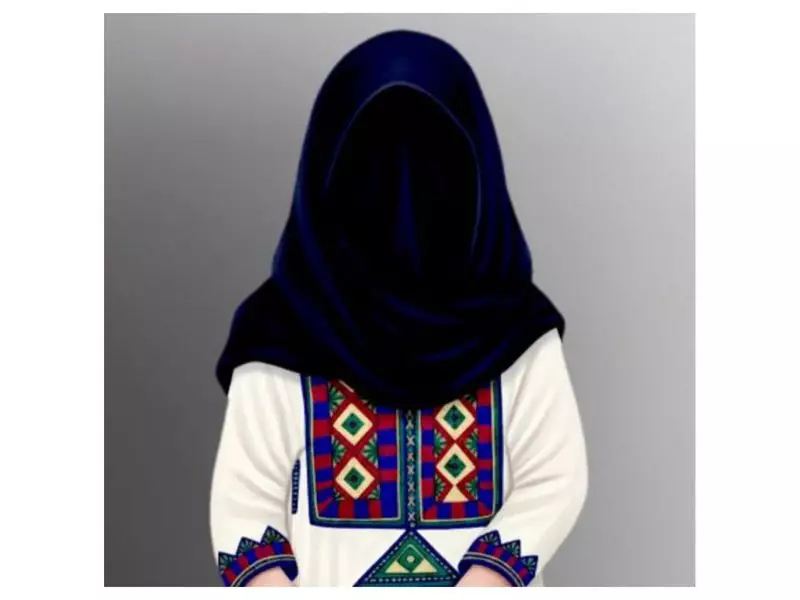
A late-night operation conducted by Pakistani security forces in the turbulent province of Balochistan has ignited fresh controversy and protests. The incident, which occurred in the Kech district, led to the alleged detention of two women, raising serious questions about the conduct of such raids.
Details of the Midnight Operation
The raid took place in the Hoshab area of Kech district. According to local sources and reports, personnel from the Frontier Corps (FC), a federal paramilitary force, along with intelligence officials, carried out the operation in the dead of night. The forces are said to have entered a residence and taken two women into custody.
While the exact identities of the detained women were not immediately disclosed in official channels, local activists and family members have voiced strong objections. The circumstances surrounding their detention remain unclear, with no formal charges publicly announced by the authorities. This lack of transparency is a recurring point of contention in the restive region.

Immediate Fallout and Public Anger
The news of the raid spread quickly, triggering an immediate and visceral response from the local community. Family members and residents of the area took to the streets to protest what they decry as an unlawful and intimidating act.
Protesters have made several key allegations regarding the operation's conduct. They claim the raid was conducted without any prior warrant or clear justification. Furthermore, there are accusations that the forces behaved in a threatening manner, causing distress and fear among the inhabitants of the household. The detention of the two women, in particular, is seen as a severe escalation, given cultural sensitivities and norms.
This incident is not isolated. Balochistan, Pakistan's largest but least populous province, has been the scene of a long-standing insurgency and a severe human rights crisis. Baloch nationalist groups have fought for greater autonomy or independence for decades, citing the region's economic marginalization and exploitation of its rich natural resources. The state's response has often involved heavy-handed military and paramilitary operations.
A Pattern of Enforced Disappearances
The latest raid in Kech fits into a broader, deeply troubling pattern documented by human rights organizations for years. Activists and international watchdogs have repeatedly accused Pakistani security agencies of engaging in the practice of enforced disappearances.
This term refers to individuals being arrested, detained, or abducted by state authorities or their agents, who then refuse to acknowledge the person's fate or whereabouts, placing them outside the protection of the law. The Baloch community has been disproportionately affected by this practice. Thousands of Baloch political activists, students, and civilians are reported to have gone missing, with their families left in a torturous state of uncertainty.
The alleged detention of the two women in Hoshab adds a new dimension to this crisis, highlighting how women are also becoming targets in these security operations. This has further inflamed public sentiment and drawn condemnation from human rights defenders who argue that such tactics only fuel more resentment and conflict.
As of now, there has been no official statement from the Pakistani military or the provincial government providing their version of the events in Hoshab. The silence from official quarters often deepens the distrust and alienation felt by the local population. The incident underscores the urgent need for transparency, accountability, and a move towards a political solution to address the legitimate grievances of the people of Balochistan, rather than relying solely on security measures that frequently violate fundamental rights.