Trump Confidently Told G7 Leaders Iran Was on the Brink of Surrender, According to Axios Report
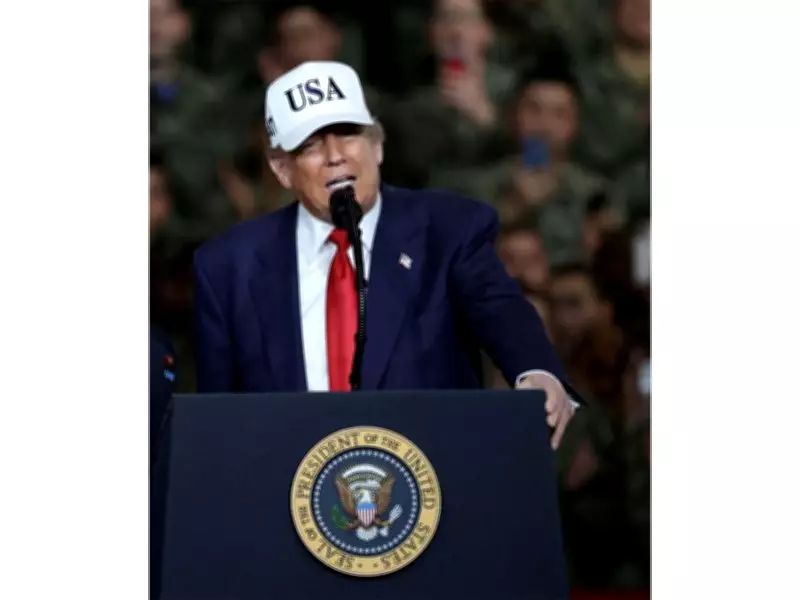
In a recent development, US President Donald Trump reportedly conveyed to the Group of Seven (G7) nations during a conference call that Iran was on the verge of surrendering. This claim, detailed in an Axios report citing officials from three G7 countries present on the call, highlights the escalating tensions in the ongoing conflict between the United States and Iran.
Trump's Private and Public Confidence in Military Success
The Axios report indicates that President Trump maintained a high level of confidence about the war's outcome in private discussions, mirroring his public statements. This assertion came just before Iran's new Supreme Leader, Mojtaba Khamenei, publicly vowed vengeance and urged Iranian citizens to persist in their fight against attacks by the US and Israel.
In a post on Truth Social, Trump reinforced his stance, warning Iran to anticipate further actions and asserting that the US is decisively winning the conflict. He stated, "We are totally destroying the terrorist regime of Iran, militarily, economically, and otherwise... Iran's Navy is gone, their Air Force is no longer, missiles, drones and everything else are being decimated, and their leaders have been wiped from the face of the earth." Trump emphasized the US's superior military capabilities and framed the campaign as a historic effort to counter Iran's long-standing global actions.

Iran's Military Response and Defiant Stance
In response, Iran's Islamic Revolution Guards Corps (IRGC) announced the launch of the 44th phase of its Operation True Promise 4. This operation involved a heavy barrage of Kheibar Shekan missiles, each equipped with a one-ton warhead, targeting key military sites in Israeli-occupied territories and US bases across West Asia. Specific locations hit included Israeli military positions in Palestinian territories, Tel Aviv, Eilat, and West Al-Quds.
Major General Ali Abdollahi, commander of Iran's Khatam al Anbiya headquarters, issued a defiant statement, declaring that Iranian armed forces would resist enemies "to the last breath" and that adversaries would be forced to pay for their crimes. This underscores Iran's commitment to continuing the conflict despite Trump's claims of imminent surrender.
US Underestimation of Iran's Strategic Moves
Earlier reports from CNN revealed that the Trump administration may have underestimated Iran's potential to close the strategic Strait of Hormuz in retaliation to US military strikes. Sources indicated that while the Pentagon and National Security Council had contingency plans for such a scenario, they did not fully anticipate Iran's actions during the planning stages of the ongoing operation.
Officials from the US Departments of Energy and Treasury participated in some pre-operation meetings, but detailed economic forecasts and interagency analyses, typically crucial for major decisions, were not central to discussions. This oversight highlights potential gaps in the US's strategic preparedness.
Conflict Enters Day 13 with No Signs of De-escalation
The conflict has now entered its thirteenth day, with neither side showing any indication of backing down. The situation remains volatile, as both the US and Iran continue to engage in military and rhetorical escalations. The Axios report and subsequent developments paint a picture of a deeply entrenched standoff, with Trump's assurances of victory contrasting sharply with Iran's resilient and aggressive responses.
As the international community watches closely, the stakes are high, with implications for global security and regional stability. The ongoing exchanges between the two nations suggest that a resolution may not be imminent, prolonging the humanitarian and geopolitical impacts of this conflict.