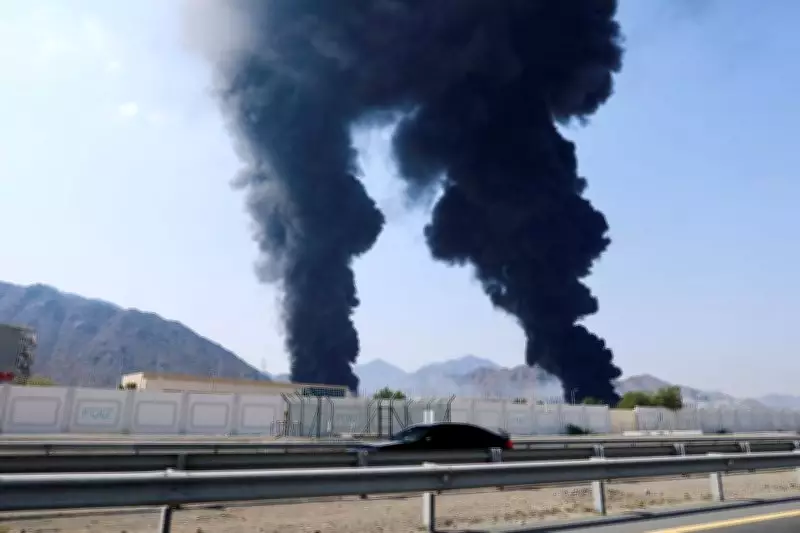
Trump's Kharg Island Threat Raises Stakes in West Asia Conflict
Former United States President Donald Trump has issued a stark warning, threatening additional military strikes on Iran's strategic Kharg Island. This escalation in rhetoric comes amid ongoing tensions in West Asia, a region already grappling with complex geopolitical conflicts. Trump's statements signal a potential shift in US foreign policy posture, even as he remains out of office, highlighting the volatile nature of international relations in this critical area.
Kharg Island: A Vital Target in Iran's Oil Infrastructure
Kharg Island is not just any location; it serves as Iran's primary oil export terminal, handling a significant portion of the country's crude oil shipments. Any military action targeting this facility could have catastrophic consequences for global energy markets. The island's infrastructure is crucial for Iran's economy, and disruptions here could lead to spikes in oil prices worldwide, affecting everything from transportation costs to consumer goods.
The threat from Trump underscores the high stakes involved, as such strikes could cripple Iran's ability to export oil, potentially triggering broader economic instability. This move is seen by analysts as a provocative step that could exacerbate existing conflicts in West Asia, drawing in other regional powers and complicating diplomatic efforts.

Impact on Global Trade and Economic Stability
The West Asia conflict, if intensified by actions like strikes on Kharg Island, poses a severe risk to global trade routes. The Strait of Hormuz, a key maritime chokepoint near Iran, is vital for the transit of oil from the Persian Gulf to international markets. Military engagements in this area could disrupt shipping lanes, leading to delays and increased costs for goods globally.
- Oil price volatility: Any attack on Kharg Island would likely cause immediate surges in crude oil prices, impacting economies dependent on energy imports.
- Trade disruptions: Conflicts in West Asia can lead to rerouting of cargo ships, increasing transit times and insurance premiums.
- Investor uncertainty: Geopolitical tensions often result in market fluctuations, affecting stock indices and currency values worldwide.
This situation highlights how regional conflicts can have far-reaching implications, underscoring the interconnectedness of the global economy. The threat from Trump adds a layer of unpredictability, as his influence continues to shape political discourse in the United States and beyond.
Broader Implications for International Diplomacy
Trump's threats come at a time when diplomatic efforts to de-escalate tensions in West Asia are already fragile. The potential for military strikes on Kharg Island could undermine ongoing negotiations and peace initiatives, making it harder to achieve stability in the region. International bodies and allied nations may face increased pressure to respond, potentially leading to a more polarized global stance on Iran.
- Diplomatic challenges: Escalation could strain relations between the US and other countries involved in the conflict, complicating multilateral talks.
- Security concerns: Increased military activity raises the risk of accidental clashes or broader warfare, threatening civilian safety.
- Long-term consequences: Persistent instability in West Asia can fuel extremism and migration crises, affecting global security dynamics.
As the situation develops, the world watches closely, aware that actions in West Asia can ripple out to affect economies and societies far beyond the region's borders. The need for cautious diplomacy and conflict resolution has never been more urgent.