Trump and Netanyahu to Mutually Decide End of Iran War as New Supreme Leader Takes Charge
The escalating conflict in the Middle East has entered a critical phase, with US President Donald Trump stating that the decision to end the war with Iran will be taken "mutually" in consultation with Israeli Prime Minister Benjamin Netanyahu. This development follows heavy joint military strikes by the United States and Israel on Iran, which resulted in the death of Iran's longest-serving Supreme Leader, Ayatollah Ali Khamenei, during the initial phase of a Trump-designed operation backed by Netanyahu.
Iran Fires Missiles Under New Leadership
In a significant turn of events, Iran has launched its first wave of missile attacks against Israel under the leadership of new Supreme Leader Mojtaba Khamenei, who succeeded his father after the fatal strikes. The hardline cleric now faces the formidable challenge of navigating the Islamic Republic through this intense confrontation with the US and Israel.
Trump's Remarks on War Termination and Timeline
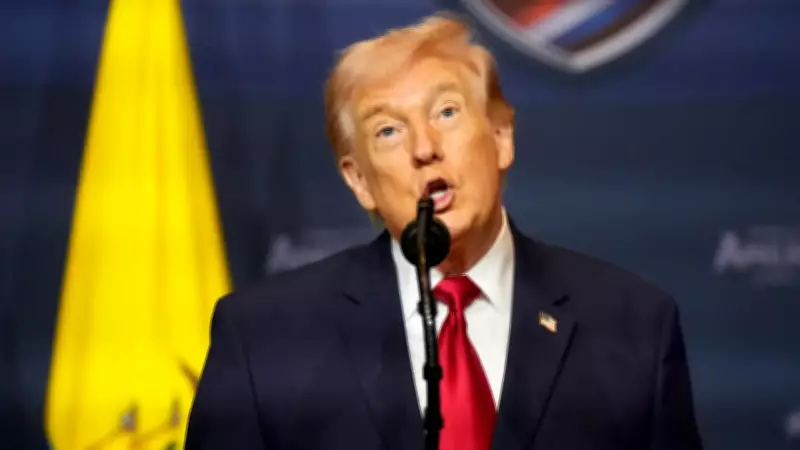
Speaking to The Times of Israel in a brief telephonic interview on Sunday, President Trump emphasized the collaborative nature of the decision-making process. "I think it's mutual... a little bit. We've been talking. I'll make a decision at the right time, but everything's going to be taken into account," he stated, clarifying that while Netanyahu will provide input, the final decision rests with the US president.

Trump avoided giving a clear timeline for the war's duration, but White House press secretary Karoline Leavitt indicated on Friday that Washington anticipates the conflict to persist for approximately four to six weeks. When questioned about Israel potentially continuing hostilities independently if the US halts its strikes, Trump dismissed the scenario, saying, "I don't think it's going to be necessary."
Background of the Joint Military Operation
The US and Israel initiated their joint military campaign on February 28 with targeted strikes that eliminated Supreme Leader Ali Khamenei. Trump justified the intervention by claiming that Iran under Khamenei posed an existential threat to Israel. "Iran was going to destroy Israel and everything else around it... We've worked together. We've destroyed a country that wanted to destroy Israel," he asserted during the interview.
Trump's comments, delivered hours after Iran announced Mojtaba Khamenei's succession, highlight the significant influence Netanyahu wields in the US president's strategic deliberations. This alliance underscores the close partnership between Washington and one of its key Middle Eastern allies.
Regional Implications and Safety Measures
Amidst the turmoil, regional authorities are implementing stringent safety protocols. For instance, Dubai ruler Sheikh Mohammed bin Rashid Al Maktoum has introduced a tough new safety law in the UAE emirate, where violators could face fines of up to Dh2 million, reflecting heightened security concerns in the area.
The war's progression and its eventual conclusion remain closely watched, with global observers monitoring how the new Iranian leadership under Mojtaba Khamenei will respond to continued pressure from the US-Israel coalition.