Trump Extends Ceasefire with Iran to Facilitate Unified Proposal
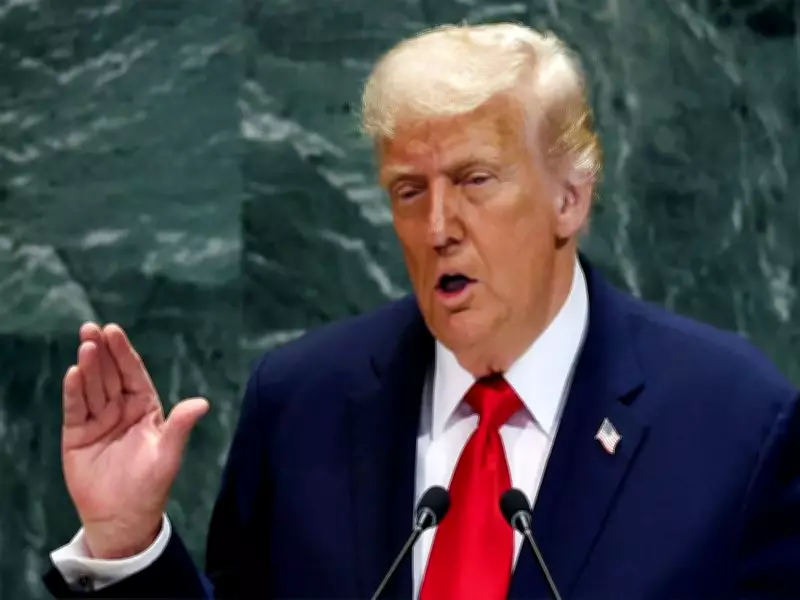
In a significant development aimed at reducing hostilities, former United States President Donald Trump has announced an extension of the ceasefire with Iran. This decision provides Tehran with additional time to craft a cohesive and unified proposal, as the longstanding US-Iran conflict continues to simmer with potential implications for regional stability.
Background of the US-Iran Conflict
The tensions between the United States and Iran have deep historical roots, often characterized by diplomatic standoffs, economic sanctions, and military posturing. Recent escalations have heightened concerns globally, with both nations engaging in a delicate balancing act to avoid full-scale confrontation. The ceasefire extension marks a pivotal moment in this complex geopolitical landscape, signaling a willingness to explore diplomatic avenues despite underlying disagreements.
Details of the Ceasefire Extension
Trump's move to prolong the ceasefire is designed to grant Iran a reprieve, enabling its leadership to consolidate internal positions and present a unified front in negotiations. This gesture underscores a strategic pause in hostilities, allowing for a more structured dialogue. The extension is not merely a temporary halt but a calculated effort to foster conditions conducive to meaningful engagement, with the hope of averting further escalation.

Implications for Regional and Global Dynamics
The ceasefire extension carries profound implications for the Middle East and beyond. By offering Iran more time, the United States aims to encourage a comprehensive proposal that addresses key issues such as nuclear proliferation, regional security, and economic relations. This approach reflects a nuanced strategy to manage conflict while preserving options for future diplomacy. Observers note that the outcome could influence alliances and power balances in a region already fraught with volatility.
Challenges and Prospects Ahead
Despite the ceasefire extension, challenges remain. Iran's ability to unify its proposal amid internal political divisions is uncertain, and the United States must navigate domestic and international pressures. The success of this initiative hinges on mutual goodwill and a commitment to dialogue. If Iran seizes this opportunity to present a viable plan, it could pave the way for renewed talks and potentially de-escalate tensions. However, failure to do so might reignite hostilities, underscoring the fragile nature of the current truce.
In summary, Trump's decision to extend the ceasefire with Iran represents a critical juncture in the US-Iran conflict. By allowing more time for a unified proposal, it opens a window for diplomatic progress, though the path forward is laden with obstacles that will test the resolve of both nations.