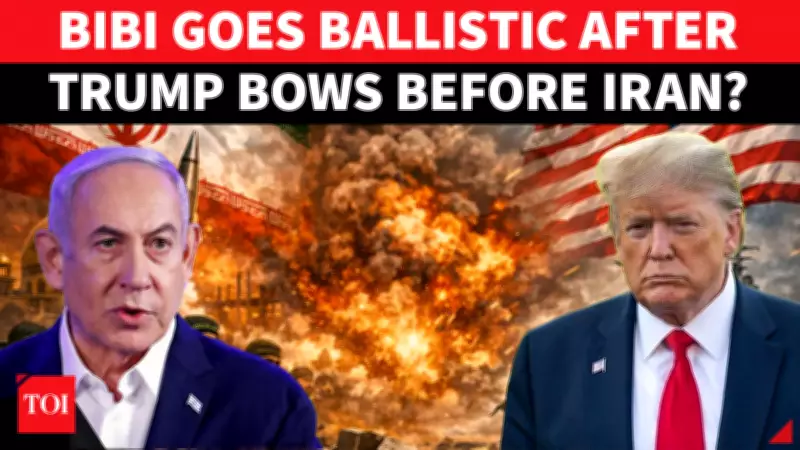
A recently leaked conversation between U.S. President Donald Trump and Israeli Prime Minister Benjamin Netanyahu has revealed a significant rift over strategy regarding Iran. According to sources, Trump rejected Netanyahu's intense pressure to proceed with military strikes under the planned Operation Sledgehammer, choosing instead to pause all combat operations and continue diplomatic efforts.
Heated Exchange Over Iran Strategy
The conversation, described as tense and confrontational, saw Netanyahu expressing deep disappointment over Trump's decision to halt the strikes. The Israeli leader had been pushing for immediate military action to curb Iran's nuclear ambitions and regional influence. However, Trump reportedly argued that diplomacy remains the preferred path, emphasizing the need to avoid a full-scale war in the Middle East.
Role of Gulf Allies and Mediators
Behind the scenes, Gulf allies and international mediators have been actively pushing for negotiations between Washington and Tehran. Multiple channels of communication remain open, with both Iran and the United States exchanging messages through intermediaries. Despite these efforts, profound disagreements over Iran's nuclear program and broader regional tensions continue to obstruct progress.

Growing US-Israel Divisions
The latest clash between Trump and Netanyahu underscores widening cracks in the U.S.-Israel alliance over how to handle the Iran crisis. While Israel advocates for a more aggressive military posture, the Trump administration appears committed to exhausting diplomatic avenues before considering any use of force. Analysts suggest that this divergence could have long-term implications for bilateral relations and regional stability.
Unresolved Nuclear Disputes
At the heart of the dispute lies Iran's nuclear program, which Israel views as an existential threat. The U.S. has sought to negotiate new limits on Tehran's enrichment activities, but talks have stalled amid mutual distrust. Meanwhile, Iran continues to expand its nuclear capabilities, further alarming Israeli officials. The leaked conversation reveals that Trump remains skeptical of Netanyahu's urgency, preferring a calibrated approach that avoids provoking a wider conflict.
What's Next?
As the world watches, the Trump administration is expected to intensify diplomatic outreach to Iran, possibly through European and Gulf intermediaries. Netanyahu, however, may face domestic pressure to act unilaterally if diplomacy fails. The coming weeks will be critical in determining whether the U.S.-Israel partnership can withstand these strategic differences or if the Iran crisis will drive them further apart.