In a move that underscores the persistent military pressure from Beijing, Taiwan's Ministry of National Defence (MND) reported on Sunday the detection of multiple Chinese military assets operating in the vicinity of the island. The latest activity adds to a long-running pattern of shows of force by the People's Liberation Army (PLA).
Details of the Military Activity
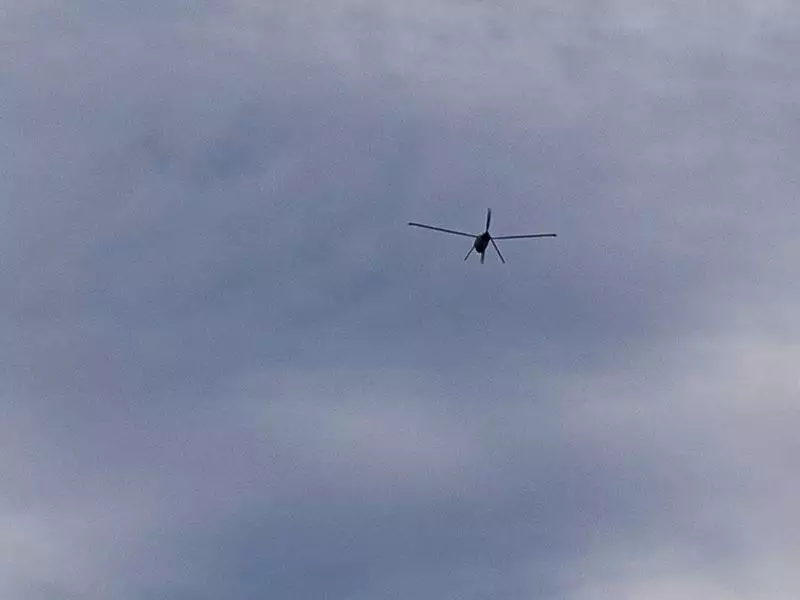
According to the official statement released by Taiwan's defence authorities, the surveillance period from 6 am on Saturday to 6 am on Sunday local time revealed significant movement. The ministry confirmed that three Chinese military aircraft and seven People's Liberation Army Navy (PLAN) vessels were detected operating around Taiwan. The precise flight paths and vessel locations were tracked by the island's armed forces, which remain on high alert.
It is crucial to note that of the three aircraft, one crossed the symbolic median line of the Taiwan Strait and entered the island's southwestern Air Defence Identification Zone (ADIZ). This line has traditionally served as an unofficial buffer, though Chinese military planes have frequently breached it in recent years as part of what Beijing calls "normal patrols." The Taiwanese military responded by deploying its own aircraft, naval ships, and land-based missile systems to monitor the situation closely.

Context and Beijing's Stance
This incident is not an isolated event but part of a sustained campaign of military and psychological pressure. China, which views Taiwan as a breakaway province that must eventually be reunited with the mainland, has significantly increased such operational activities. These manoeuvres serve a dual purpose: they are demonstrations of military capability aimed at deterring any moves towards formal independence by Taipei, and they reinforce Beijing's territorial claims on the international stage.
The Chinese government has consistently stated that these actions are "necessary for safeguarding national sovereignty and territorial integrity." Officials in Beijing refuse to renounce the use of force as an option for achieving reunification, a stance that keeps regional tensions perpetually high. The timing of such sorties often correlates with political events, such as visits by foreign dignitaries to Taiwan or statements perceived as supportive of the island's separate status.
Regional Implications and Responses
The regular incursions by PLA assets into zones monitored by Taiwan have become a major flashpoint in the Indo-Pacific region. They raise the risk of accidental clashes or miscalculations that could escalate rapidly. The United States, bound by the Taiwan Relations Act, continues to provide defensive arms to the island and conducts freedom of navigation operations in the nearby South China Sea, much to China's displeasure.
Taiwan's government, led by President Tsai Ing-wen, has repeatedly called for peace and stability across the strait. The defence ministry's public disclosure of these incidents is part of a transparency strategy to keep the Taiwanese public informed and to rally international awareness and support. The ministry ended its statement with a firm commitment, saying, "The Armed Forces have monitored the situation and employed (their) CAP aircraft, navy vessels, and coastal missile systems in response to the detected activities."
As both sides continue their posturing, the delicate status quo remains. The world watches closely, hoping diplomatic channels can prevent a conflict, while the daily reality for Taiwan involves vigilant monitoring of an increasingly assertive neighbour whose military shadow grows ever larger.