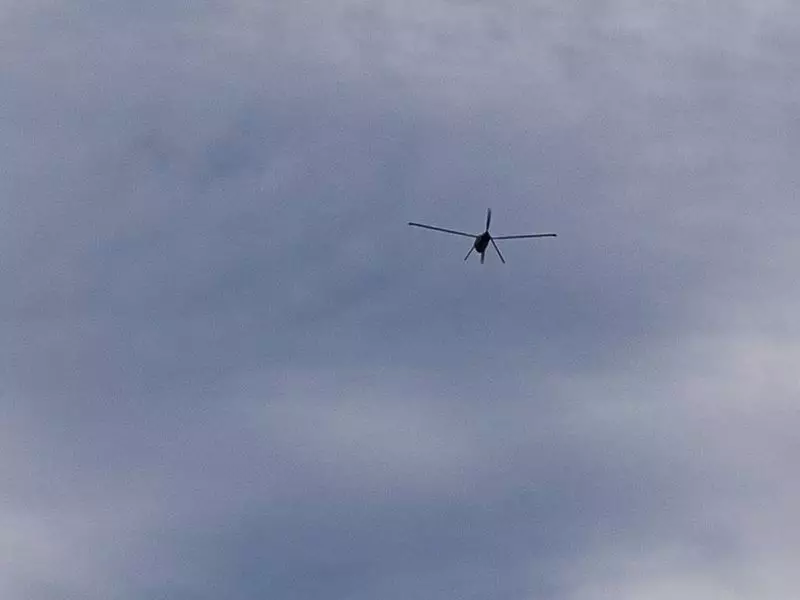
Taiwan's military forces were on high alert this week after detecting a significant presence of Chinese military assets near the island. The Ministry of National Defence in Taipei reported the activity, which adds to the persistent pressure from Beijing.
Details of the Military Activity
According to an official statement released by Taiwan's Ministry of National Defence, the incursion was tracked between 6 am on Tuesday and the same time on Wednesday. During this 24-hour period, Taiwanese defence systems identified seven Chinese military aircraft and seven vessels from the People's Liberation Army Navy (PLAN) operating in the vicinity of Taiwan.
The ministry noted that four of the seven detected aircraft crossed the symbolic median line of the Taiwan Strait. This unofficial boundary has traditionally served as a buffer between the two sides. The crossing is viewed as a deliberate act of provocation and a challenge to the status quo.

Taiwan's Response and Regional Context
In response to the manoeuvres, Taiwan's armed forces monitored the situation closely and deployed appropriate forces. The island's military stated it used a combination of land-based missile systems, naval assets, and combat patrol aircraft to shadow the Chinese movements and issue radio warnings.
This incident is not an isolated one. China, which claims the self-ruled island of Taiwan as its own territory, has conducted such military drills with increasing frequency. These activities are often framed by Beijing as "necessary actions" to safeguard national sovereignty and oppose what it calls separatist forces in Taiwan.
Implications for Regional Stability
The regular appearance of Chinese military assets around Taiwan significantly raises tensions in one of Asia's most critical geopolitical flashpoints. The Taiwan Strait is a major international shipping lane, and any conflict would have severe global economic repercussions.
International observers and neighbouring countries, including Japan and the Philippines, closely watch these developments. The United States, which is committed by law to provide Taiwan with the means to defend itself, also conducts regular freedom of navigation operations in the region, further complicating the strategic picture.
Experts suggest that these manoeuvres serve multiple purposes for China: they are a show of force, a test of Taiwan's and the US's response capabilities, and part of a long-term strategy to normalise its military presence around the island. The consistent message from Taipei remains a call for peace and stability, urging Beijing to refrain from actions that could destabilise the region.