

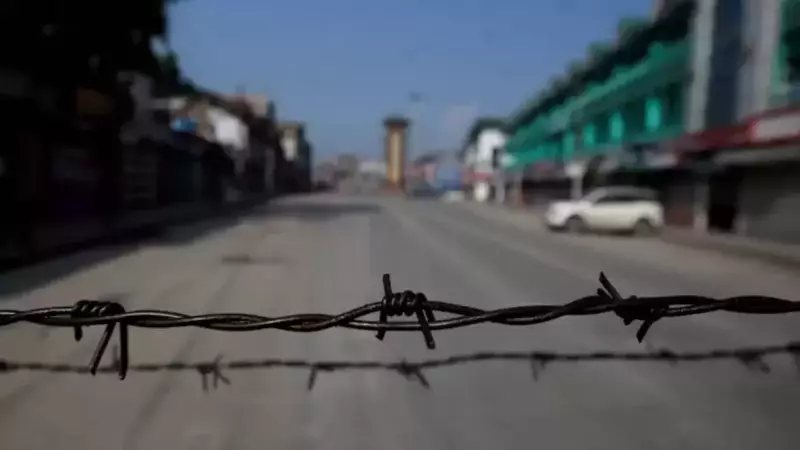
Authorities in southern Nepal have imposed a stringent curfew in Birgunj city, warning that security forces are authorized to shoot violators on sight. This drastic measure comes in response to escalating tensions between Hindu and Muslim groups following an incident of vandalism at a mosque over the weekend.
Curfew Order and 'Shoot on Sight' Warning
The Parsa District Administration issued the curfew order for Birgunj Metropolitan City. The order, citing the Local Administration Act, 2028, prohibits all movement, gatherings, processions, and demonstrations within specified areas. The curfew was initially in effect from 6:00 PM on January 5, 2026, until 8:00 AM on January 6, and was later extended until 1:00 PM local time on Tuesday.
In a stark warning, the administration explicitly stated that security personnel are permitted to shoot on sight anyone violating the restrictions. Officials urged residents not to leave their homes except for essential needs and to coordinate with security forces if necessary.

What Sparked the Protests?
The unrest began in Birgunj, a city located about 130 kilometers south of Kathmandu. The trigger was reported vandalism at a mosque in a nearby town. This act prompted protests from local Muslim groups. Subsequently, members of a Hindu group also organized demonstrations, leading to a volatile standoff.
While the two groups held simultaneous protests, defying an earlier prohibitory order, no major clashes or significant injuries between the communities have been reported. Some minor scuffles with riot police were noted. Such inter-communal clashes are relatively rare in Nepal, a predominantly Hindu nation where the Muslim population is largely concentrated in southern border regions.
Immediate Aftermath and Security Response
The primary consequence has been a complete lockdown in parts of Birgunj, with normal life brought to a halt. The district administration's decisive move to impose a curfew with extreme measures underscores the seriousness with which they view the potential for violence. The situation remains tense but under the tight control of security forces, who are patrolling the area to enforce the order.
The incident highlights the fragile nature of communal harmony and the challenges faced by authorities in maintaining peace, even in regions where such conflicts are uncommon. The focus now is on ensuring the curfew is respected and preventing any further escalation until tensions subside.






