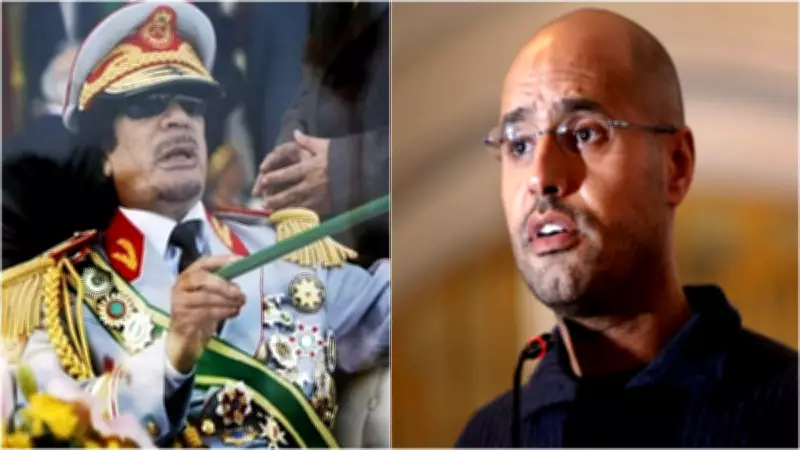
Seif al-Islam Gaddafi, Son of Libya's Former Dictator, Killed in Zintan
In a dramatic development that has sent shockwaves through Libya and the international community, Seif al-Islam Gaddafi, the son of the late Libyan dictator Muammar Gaddafi, has been reported killed in the city of Zintan. This incident, which occurred on February 4, 2026, represents a pivotal moment in Libya's ongoing struggle for stability following the 2011 revolution that ousted his father's regime.
Background and Significance of the Event
Seif al-Islam Gaddafi was a prominent figure in Libyan politics, often seen as a potential successor to his father before the uprising. After Muammar Gaddafi's death in 2011, Seif al-Islam faced numerous legal challenges and was captured by Zintan militia forces in 2011, remaining in their custody for years. His killing in Zintan underscores the persistent volatility and factional conflicts that have plagued Libya, hindering efforts toward national reconciliation and peace.
Details Surrounding the Incident
Reports indicate that the killing took place under circumstances that are still being investigated, with local sources suggesting it may be linked to ongoing tribal or political disputes in the region. Zintan, a city in northwestern Libya, has been a stronghold for various militias and has played a key role in the country's post-revolution dynamics. The death of Seif al-Islam Gaddafi is expected to have far-reaching implications, potentially exacerbating tensions among Libya's rival factions and impacting international diplomatic efforts in the region.

Reactions and Implications
This event has sparked varied reactions from different stakeholders:
- Local Response: In Libya, responses have been mixed, with some viewing it as a step toward justice, while others fear it could lead to renewed violence.
- International Perspective: Global observers are closely monitoring the situation, concerned about its impact on Libya's fragile political landscape and regional security.
- Historical Context: The killing adds another chapter to the complex legacy of the Gaddafi family, whose rule ended abruptly over a decade ago but continues to influence Libyan affairs.
As investigations proceed, the world watches to see how this development will shape Libya's future trajectory, with hopes for stability tempered by the realities of ongoing conflict.