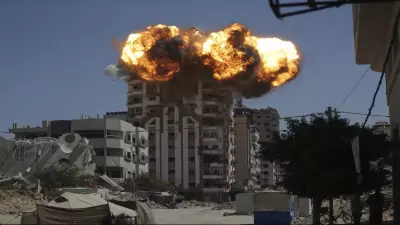
In a significant escalation of internal tensions within the Saudi-led coalition, airstrikes conducted by Riyadh killed at least seven people and wounded over twenty in eastern Yemen on Friday. The strikes targeted military camps held by the Southern Transitional Council (STC), a separatist faction backed by the United Arab Emirates (UAE).
Details of the Attack and Ground Clashes
According to officials from the STC, Saudi warplanes launched seven airstrikes on a military camp in the Al-Khasah area of Hadramout province. Mohammed Abdulmalik, the head of the STC in Wadi Hadramaut and the Hadramout Desert, confirmed the casualty figures to AFP. He added that separatist forces not only endured the aerial bombardment but also repelled a concurrent ground advance by rival forces.
This violent episode is part of a broader Saudi effort to reassert control over strategic camps and territory in Hadramout, a province that shares a long border with Saudi Arabia. The move directly challenges the influence of the UAE, which has armed and supported the STC in its quest for southern Yemeni independence.

Background: A Coalition Fractures
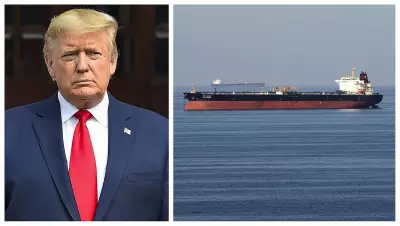
The Friday strikes represent a peak in growing hostilities between the two Gulf allies. The friction intensified earlier in the week when Saudi Arabia carried out airstrikes on the port city of Mukalla. Riyadh justified that action by claiming two ships from the UAE port of Fujairah had unloaded weapons and armoured vehicles destined for the STC.
Saudi Arabia labelled these shipments an "imminent threat" to its national security and warned that the UAE's actions were "extremely dangerous." A separatist leader told the Associated Press (AP) that the latest clashes began when Saudi-backed National Shield Forces advanced towards STC camps, and the STC's refusal to withdraw triggered the deadly airstrikes.
Conflicting Narratives and Wider Fallout
Despite the lethal violence, the Saudi-backed narrative presented a different picture. Salem al-Khanbashi, the Hadramout governor appointed by Yemen's internationally recognised government, described the operation as "peaceful." In a speech aired on state media, he insisted it was not a declaration of war but a "responsible pre-emptive measure" to remove weapons and prevent chaos.
The political dispute has spilled beyond the battlefield. Saudi Arabia has demanded STC forces withdraw from Hadramout and Mahra provinces as part of de-escalation, a demand the separatists have refused. Diplomatically, Saudi ambassador to Yemen Mohammed al-Jaber accused STC leader Aidarous al-Zubaidi of blocking a Saudi mediation delegation from landing in Aden.
Furthermore, Yemen's STC-aligned transport ministry accused Saudi Arabia of imposing new aviation requirements, forcing flights from Aden to undergo inspection in Jeddah. The ministry stated this move has suspended flights between Aden and the UAE until the measures are reversed, though Saudi authorities have not publicly confirmed the policy.
The events underscore a critical fracture in the coalition that has been fighting Yemen's Houthi rebels for years, now openly battling over the future control of southern Yemen between Saudi and UAE proxy forces.