A dramatic public split has erupted within the Gulf-backed coalition fighting in Yemen, following Saudi Arabian airstrikes this week on the southern port city of Mukalla. The attack, which targeted weapons shipments allegedly destined for UAE-backed separatists, marks a sharp escalation from a complex war against Houthi rebels to an open confrontation between former allies.
The Mukalla Strike: A Coalition Unravels
The immediate trigger was the arrival of two vessels from the Emirati port of Fujairah. Saudi Arabia accused these ships of disabling their tracking systems and unloading a large cache of weapons and armoured vehicles for the Southern Transitional Council (STC). Riyadh branded the shipments an "imminent threat" to its national security, warning that Emirati actions were "extremely dangerous."
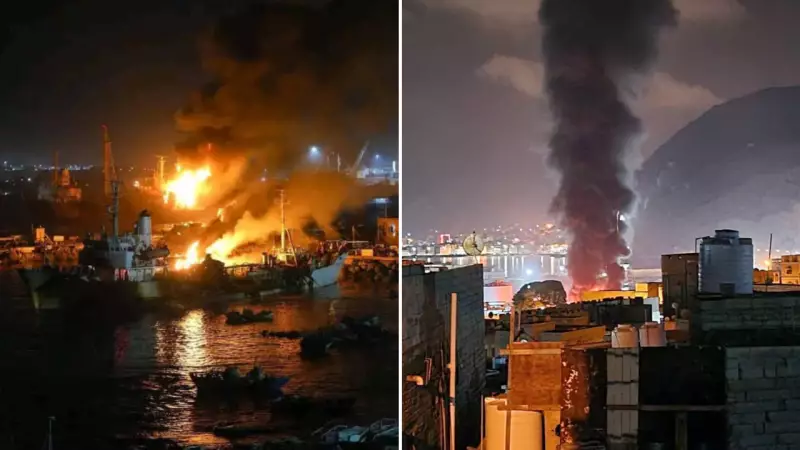
In response, Saudi warplanes conducted what they called a "limited" overnight strike on targets within the Mukalla port to prevent collateral damage. Yemeni state media footage showed black smoke billowing from the area with burned vehicles near the docks. While Saudi media reported no casualties, local residents confirmed damage to nearby homes.

Understanding the Key Player: The Southern Transitional Council
At the centre of this dispute is the Southern Transitional Council (STC), a separatist movement formed in May 2017. Its goal is to reinstate the independent state of South Yemen, which existed until unification with the north in 1990. Backed by the United Arab Emirates, the STC controls key southern territories, including Aden, and commands the Southern Armed Forces.
Although part of Yemen's internationally recognised Presidential Leadership Council, the STC has recently seized territory from Saudi-backed units. Its leadership rejects orders from council head Rashad al-Alimi, insisting the UAE remains its "main partner" against the Houthis.
A "Red Line" Crossed: Saudi Fears and UAE Withdrawal
The core of Saudi Arabia's alarm lies in the east. The provinces of Hadramout and al-Mahra border the kingdom and control vital trade routes. Riyadh fears that STC expansion, fueled by Emirati support, could destabilise this region, creating a direct security threat along its southern frontier. The Saudi foreign ministry explicitly called this a "red line."
The UAE firmly rejected the accusations, stating the shipment contained no weapons and the vehicles were for its own forces. It expressed surprise at the airstrike and condemned any implication it was threatening Saudi security. In a decisive move later the same day, the UAE announced the withdrawal of its remaining counter-terrorism forces from Yemen.
Political Fallout and a Deepening Crisis
The escalation prompted swift political action from Yemen's recognised leadership. Rashad al-Alimi cancelled a defence pact with the UAE and ordered Emirati forces to leave Yemen within 24 hours. He accused Abu Dhabi of "pressuring and directing" the STC to rebel against state authority. Al-Alimi also imposed a temporary no-fly zone and a blockade on ports.
This rift risks opening a devastating new front in Yemen's decade-long conflict, pitting anti-Houthi forces against each other while the Iran-aligned Houthis remain strong in the north. The strategic southern regions now in dispute hold most of Yemen's oil reserves and key ports. With over 150,000 killed already, this internal coalition fracture threatens to deepen one of the world's worst humanitarian crises.