War Weariness Grows in Russia's Belgorod Region Near Ukrainian Front Lines
A recent report from the Belgorod region of Russia, situated perilously close to the Ukrainian border, reveals a growing sense of exhaustion and disillusionment among local residents after years of conflict. While official narratives portray the area as a heroic frontline, the daily realities of blackouts, drone threats, and economic hardship are taking a toll on the populace.
Life in a Border Village: Kozinka's Abandonment
The village of Kozinka, located less than a kilometre from Ukraine, stands as a stark symbol of the war's impact. Once home to around a thousand people, it now lies largely deserted, with fewer than ten residents remaining at great personal risk. Authorities shut down the village last year, promising compensation to evacuees, but payments have yet to materialize.
Ukrainian forces entered Kozinka twice, in 2023 and 2024, causing partial destruction but reportedly avoiding civilian targets. Alexandra Severina, an 87-year-old former resident, recalls Ukrainian soldiers confiscating mobile phones but leaving them under a tree for retrieval upon retreat. "We have always lived in harmony with Ukrainians. They are good people," says Katerina Matveyevna, who stayed behind, highlighting the complex, intertwined relationships in this border region where many speak Surzhyk, a Russian-Ukrainian dialect.

Belgorod City: Adapting to Conflict Amidst Blackouts
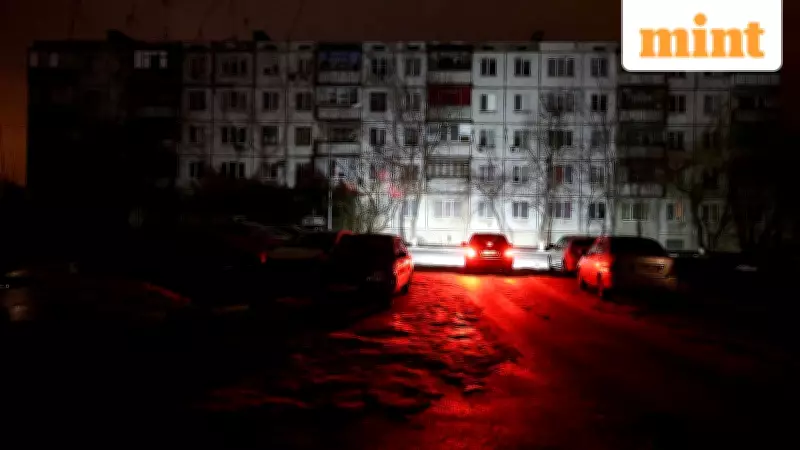
In Belgorod city, the regional capital about 40km from the border, residents have grown accustomed to war over the past four years. The population has declined from 400,000, but life persists with a semblance of normalcy. However, a Ukrainian missile strike on the city's thermal power plant in early January 2026 pushed the region to the brink of a blackout.
While electricity and heating have been largely restored, Governor Vyacheslav Gladkov warned of potential evacuation if power fails, causing a media stir. Locals, however, continue their daily routines, often ignoring air-raid sirens. The city is paradoxically livelier than two years ago, despite a shrine marking where 25 people were killed in a previous attack.
Government Suspicion and Grass-Roots Movements
Concerns extend beyond physical threats to include government crackdowns. Governor Gladkov's announcement of a fight against "internal enemies" and those "sowing discontent" has created an atmosphere of fear. Residents hesitate to discuss daily hardships, unsure if such talk qualifies as sedition.
A preliminary list of "panic-stokers" includes social-media groups and Pepel, a Telegram news channel with 100,000 subscribers run by émigré journalist Nikita Parmenov. The channel drew government ire not just for its content but for coordinating volunteers delivering water to damaged homes. Authorities have responded by launching an official "volunteer programme" to counter such grass-roots efforts.
Growing Disillusionment and Legal Struggles
A photo exhibition in Belgorod's main park, depicting soldiers as heroes, attracts few viewers. "Everybody is tired," one passer-by remarked, covering his face. "Many of those who supported it at the start are feeling disillusioned." A January survey by local news outlet Fonar found that a quarter of respondents felt "devastated and disappointed," with a similar number feeling their lives were on hold. Only 6% reported aiding Russia's "special military operation."
Political activist and lawyer Ilya Kostyukov notes that many soldiers seek help to terminate military contracts, but even the injured have been barred from leaving for a year. "I tell them honestly: you can bang your head against the brick wall and pay me millions, but we will not succeed," he says, underscoring the legal and emotional impasse faced by those directly involved.
As the conflict drags on, the initial support in regions like Belgorod is waning, replaced by a palpable war weariness that challenges both daily survival and long-term resilience.