Easter Ceasefire Between Russia and Ukraine Rapidly Disintegrates
A temporary Easter ceasefire between Russian President Vladimir Putin and Ukrainian President Volodymyr Zelenskyy quickly fell apart on Sunday, with both nations accusing each other of thousands of violations despite a brief pause in fighting for the Orthodox holiday. The 32-hour truce, ordered by Moscow from Saturday evening, had been presented as a humanitarian gesture, with Kyiv agreeing to observe it while warning it would respond to any breaches.
Mutual Accusations of Ceasefire Violations
Within hours of the ceasefire's implementation, both sides reported continued hostilities across the approximately 1,200-kilometre front line, underscoring the fragility of such agreements in a conflict now entering its fifth year. Russia's defence ministry claimed that Ukrainian forces committed 1,971 violations during the ceasefire window, including artillery fire, tank attacks, and more than a thousand drone strikes. It also accused Kyiv of attempting several advances along the front, all of which it said were successfully repelled.
Ukraine, in turn, reported even higher figures, stating it had recorded 2,299 breaches. These included dozens of assault operations, hundreds of shellings, and extensive drone activity. Despite these accusations, there were some signs of a limited lull in the fighting. Ukrainian officials noted there were no long-range missile strikes or large-scale aerial bombardments during the truce, a notable shift from the near-daily barrages witnessed in recent months.

Mixed Reports from the Front Lines
On certain parts of the front, soldiers described conditions as relatively calm, allowing some to attend Easter services in rare moments away from combat. However, Ukrainian officers reported that Russian drone strikes continued in several sectors, even where artillery fire had subsided. Kyiv maintained it was responding proportionately, adhering to a policy of matching "silence to silence and fire to fire."
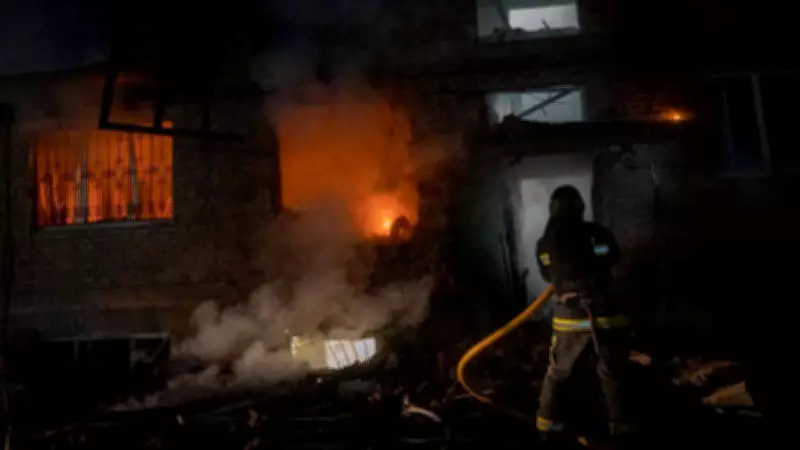
The ceasefire followed renewed but stalled diplomatic efforts, including US-backed talks that have failed to produce a breakthrough. While the Kremlin described the truce as a step towards a broader settlement, it reiterated its longstanding demands, particularly over territory, which remain unacceptable to Ukraine. The brief pause came after a deadly escalation, with Russian drone strikes killing civilians in cities including Odesa and Kherson just hours before the truce began. Both sides also reported intercepting large numbers of incoming drones overnight.
Broader Implications for the Conflict
The collapse of this Easter ceasefire highlights the deep-seated challenges in achieving lasting peace in the region. With both sides entrenched in their positions and diplomatic efforts stalling, the war continues to exact a heavy toll on civilians and soldiers alike. The mutual accusations of violations further complicate future ceasefire attempts, as trust between the two nations remains severely eroded.
As the conflict persists, international observers are closely monitoring the situation, hoping for a resolution that can bring stability to the region. However, with no immediate signs of a breakthrough, the prospects for peace appear dim, and the humanitarian crisis deepens with each passing day.