

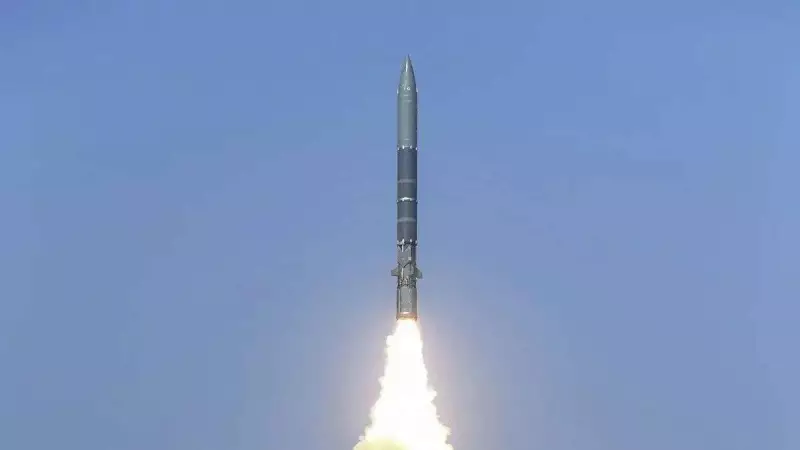
In a significant escalation of hostilities, Russian forces launched a massive wave of missile and drone strikes across Ukraine on Saturday, December 27, 2025. The assault, described by Ukrainian officials as one of the most intense in recent months, primarily targeted the country's already beleaguered energy infrastructure, resulting in civilian casualties and widespread power outages.
A Day of Devastating Attacks
The coordinated offensive involved over 50 missiles and attack drones, according to air force reports from Kyiv. Ukrainian air defences managed to intercept a substantial number of the incoming projectiles, but many struck their intended targets. The consequences were severe, particularly in the capital region and other key areas.
The State Emergency Service of Ukraine confirmed that at least 11 people lost their lives due to the attacks, with many more injured. Rescue operations continued through the day as teams worked to pull survivors from the rubble of damaged residential buildings and industrial facilities. The strikes caused significant damage to thermal and hydroelectric power plants, plunging multiple regions into darkness and exacerbating the humanitarian crisis during the winter season.

Timing Ahead of Crucial Diplomacy
The timing of this military escalation is seen as highly strategic and politically charged. It came precisely one day before a scheduled high-stakes meeting between Ukrainian President Volodymyr Zelenskyy and former US President Donald Trump, set for Sunday, December 28, 2025.
The agenda for the Zelenskyy-Trump discussion is expected to center on potential pathways to a negotiated peace to end the prolonged conflict. President Zelenskyy, in a statement following the attacks, framed the assault as a deliberate attempt by Moscow to undermine diplomatic efforts. He accused Russia of trying to use violence to gain leverage ahead of the talks and to demonstrate its military strength despite international pressure.
This meeting is pivotal as Donald Trump, who is currently the President-elect of the United States following the November 2025 election, has repeatedly stated his intention to broker a peace deal swiftly after taking office in January 2026. His proposed approach has often emphasized direct negotiation and has raised concerns in Kyiv about potential compromises on Ukrainian sovereignty.
International Reactions and the Path Forward
The international community was quick to condemn the latest Russian strikes. Leaders from the G7 and European Union issued statements labeling the attacks on civilian energy infrastructure as barbaric and a clear violation of international law. Calls for increased military support for Ukraine were renewed by several NATO members.
Analysts suggest that Russia's action serves a dual purpose: to weaken Ukraine's physical capacity to fight and endure the winter, and to test the resolve of the incoming American administration. By creating a crisis on the eve of the Zelenskyy-Trump meeting, Moscow potentially aims to shape the negotiation dynamics, presenting itself as an unavoidable military power that must be accommodated at the bargaining table.
The world's attention is now firmly fixed on the outcome of the discussions between the Ukrainian leader and the US President-elect. The central question remains whether diplomatic channels can gain traction against the backdrop of renewed and brutal warfare. The attacks of December 27 have starkly underlined the immense challenges facing any peace process, setting a tense and somber stage for the critical dialogue aimed at ending Europe's largest conflict in decades.






