Russian Forces Seize Strategic Village in Kharkiv, Expand Offensive Across Northeastern Ukraine
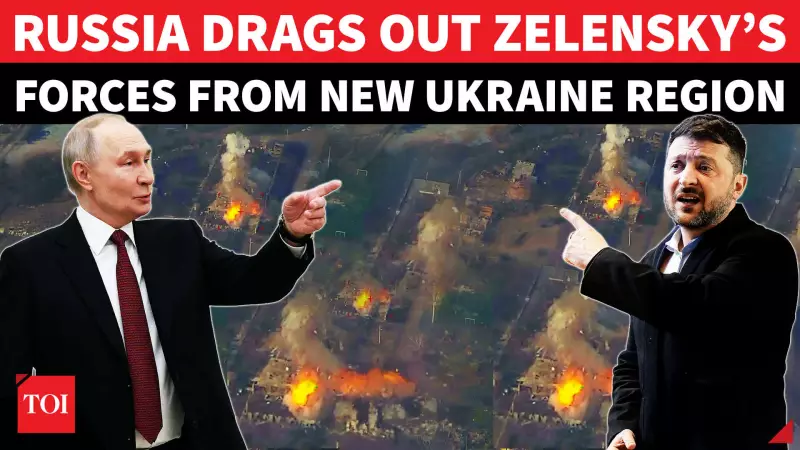
The conflict in Ukraine has witnessed another significant territorial shift as Russian military units have successfully captured the village of Staritsa in the Kharkiv region. According to Moscow's statements, North Group units executed a decisive operation that has effectively erased another defensive line from the map, demonstrating relentless momentum in the smoke-scarred northeastern theater of war.
Expanding Buffer Zone: Russian Advance Reshapes Front Lines
This development represents more than just the fall of a single village. Russian strike groups have intensified their offensive, pounding Ukrainian brigades across multiple sectors of Kharkiv and extending their operations into the neighboring Sumy region. In a single day of coordinated attacks, Russian forces reportedly destroyed significant amounts of Ukrainian armor and electronic warfare systems, further weakening defensive capabilities along this critical front.
Russian President Vladimir Putin has framed these military operations as part of an effort to establish a protective buffer zone. While Kharkiv itself has not been formally annexed by Russia, the continuous pressure, shrinking Ukrainian territory, and relentless advance are systematically rewriting the boundaries of control in the region.

Strategic Implications of the Kharkiv Offensive
The capture of Staritsa and the broader offensive across Kharkiv and Sumy regions indicate several important strategic developments:
- Territorial Gains: Russian forces continue to make measurable progress in northeastern Ukraine, consolidating control over additional settlements
- Military Momentum: The sustained offensive demonstrates Russia's ability to maintain pressure across multiple fronts simultaneously
- Defensive Challenges: Ukrainian forces face increasing difficulties in maintaining defensive lines against well-coordinated Russian assaults
- Buffer Zone Strategy: Putin's framing of operations as buffer zone creation suggests long-term strategic objectives beyond immediate territorial gains
The situation remains fluid as both sides continue to deploy resources and adjust tactics in response to the evolving battlefield conditions. The fall of Staritsa represents another chapter in the ongoing conflict that continues to reshape the geopolitical landscape of Eastern Europe.