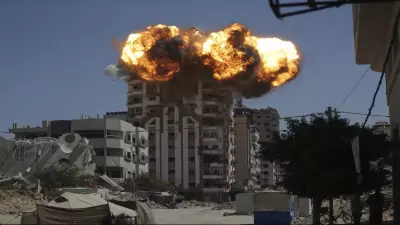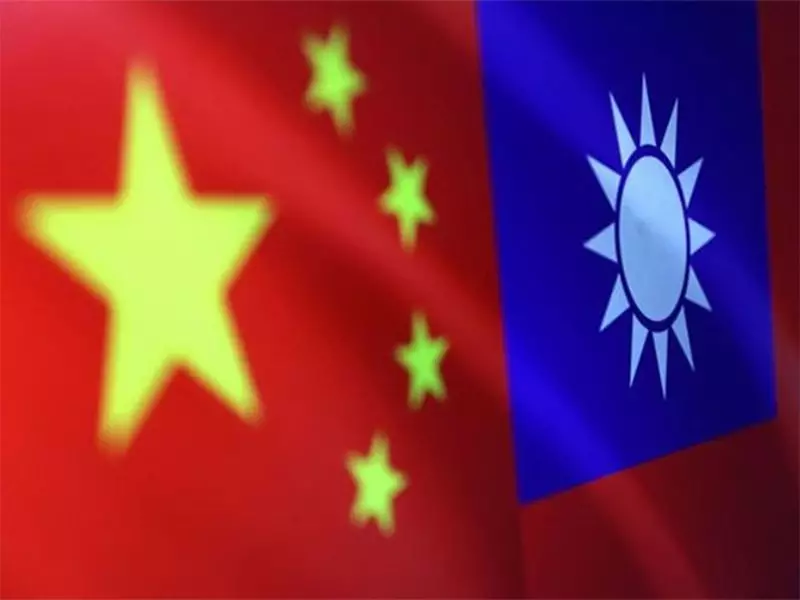
A stark new assessment from a United States military simulation has painted a grim picture of the potential human and economic cost of a Chinese invasion of Taiwan. The report, which has garnered significant international attention, suggests that such a military campaign could end in failure for Beijing, with catastrophic losses.
Simulated Invasion Predicts Staggering Losses
The analysis, based on extensive war-gaming conducted by US military experts, indicates that a People's Liberation Army (PLA) assault on Taiwan would be met with fierce resistance. The simulation concluded that China could suffer a devastating toll of up to 100,000 military casualties in a failed invasion attempt. This staggering figure highlights the immense defensive challenges posed by amphibious warfare across the Taiwan Strait.
Beyond the immediate battlefield losses, the report underscores the severe economic repercussions China would face. The researchers project that a conflict over Taiwan could trigger a global economic depression, slashing China's GDP by a staggering 25 to 35 percent. Such a collapse would cripple the world's second-largest economy, with ripple effects felt across international markets.

Taiwan's Defensive Posture and Strategic Deterrence
The report's findings are not solely based on PLA shortcomings but also credit Taiwan's own defensive preparations. Taiwan has been actively bolstering its military capabilities, investing in asymmetric warfare strategies designed to thwart a large-scale invasion. These include advanced anti-ship and anti-air systems, as well as a reserve force trained for urban and guerrilla warfare.
Furthermore, the strategic calculus includes the high probability of direct intervention by the United States and its allies, most notably Japan. The simulation factors in a coordinated international response that would further complicate Beijing's military objectives. The combined effect of Taiwanese resilience and foreign support creates a formidable deterrent, making a successful invasion far from guaranteed.
Broader Implications for Regional and Global Stability
The publication of this analysis serves as a sobering warning about the consequences of conflict in one of the world's most critical geopolitical flashpoints. The Taiwan Strait is a vital artery for global trade, and any major military confrontation would disrupt supply chains for semiconductors and other crucial goods, impacting economies worldwide.
For China's leadership under President Xi Jinping, the report presents a clear risk assessment. While Beijing maintains its claim over Taiwan and has not renounced the use of force, the potential costs outlined—massive PLA casualties, economic ruin, and international isolation—could influence strategic decision-making. The findings emphasize that the price of unification by military means would be extraordinarily high, potentially destabilizing the ruling Chinese Communist Party itself.
In conclusion, this US military simulation delivers a powerful message: an invasion of Taiwan is not a simple military operation but a complex, high-risk endeavor with a significant chance of failure. The projected losses of 100,000 troops and a deep economic depression are powerful deterrents, underscoring the critical importance of continued diplomatic efforts to maintain peace and stability in the Indo-Pacific region.