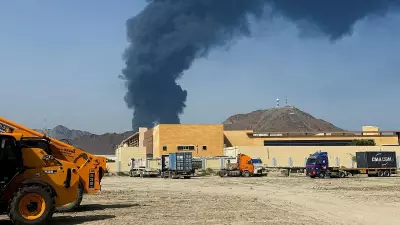
In a significant escalation targeting Ukraine's vital supply lines, a massive overnight drone assault by Russian forces struck deep into the country's civilian infrastructure. The coordinated attacks, which occurred on December 26, 2025, focused on ports, rail networks, and storage facilities across multiple regions, aiming to cripple Kyiv's logistical backbone.
Ports and Foreign Vessels Bear the Brunt
According to Ukrainian Deputy Prime Minister Oleksii Kuleba, the continuous strikes caused substantial damage in the crucial Odesa region. The assault hit grain elevators, warehouses, and key port facilities, which are essential for the country's agricultural exports. In a notable development, the attacks also damaged commercial ships flying foreign flags, escalating the conflict's economic ramifications.
Ships flagged from Slovakia and Palau were among those hit in Odesa. Further east, in the Mykolaiv region, a Liberian-flagged vessel sustained damage while docked at a port terminal. These incidents highlight the expanding risks to international shipping in the Black Sea zone, potentially affecting global trade routes.

Rail Infrastructure Targeted in Volyn
The drone blitz was not confined to coastal areas. Russian strikes extended inland, targeting critical rail infrastructure. The Kovel railway station in the Volyn region suffered blast damage, disrupting a key node in Ukraine's domestic and international rail network. This attack on land-based logistics underscores a concerted Russian strategy to sever Ukraine's transportation arteries from multiple directions.
Ukrainian authorities reported resulting fires and power disruptions, creating significant logistical setbacks for military and civilian supply chains. The simultaneous targeting of sea ports and inland rail hubs represents a clear attempt to choke the flow of goods and military hardware.
Ukrainian Resilience Amidst Sustained Assault
Despite the scale and scope of the attacks, Ukrainian officials maintained that their transport and supply systems have not been broken. Authorities asserted that all damaged systems remain operational, a testament to ongoing repair efforts and contingency planning. The resilience of Ukraine's infrastructure under sustained fire continues to be a defining feature of the prolonged conflict.
This latest wave of attacks, described by some observers as a 'Christmas hellfire', follows a pattern of intensified strikes on energy and logistics targets during the winter months. The goal appears to be to degrade Ukraine's economic resilience and military resupply capabilities as the war drags on.