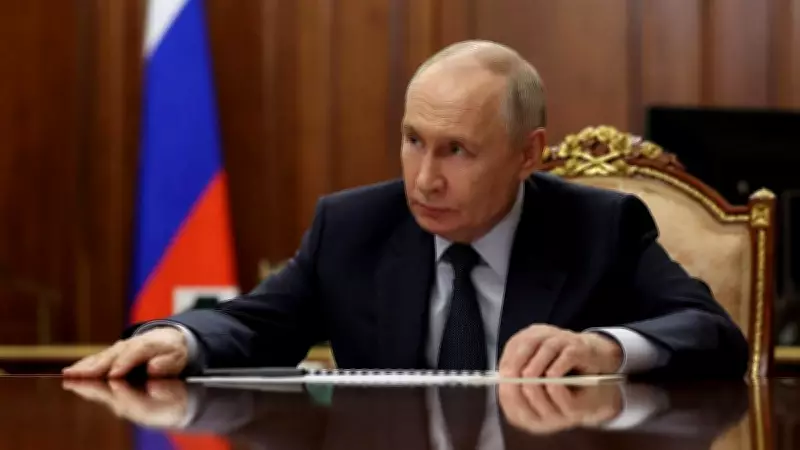
Russian President Vladimir Putin has declared that the Russia-Ukraine war, the deadliest conflict in Europe since World War Two, is nearing its end. Speaking to reporters, Putin said, 'I think that the matter is coming to an end.' He also indicated his readiness to engage in negotiations for new security arrangements in Europe, naming former German Chancellor Gerhard Schroeder as his preferred negotiating partner.
Conflict Nearing Resolution
Putin's remarks come amid ongoing hostilities that have caused widespread devastation and loss of life. The war, which began in February 2022, has displaced millions and strained international relations. The Russian leader's statement suggests a potential shift toward diplomatic resolution after years of intense fighting.
Willingness to Negotiate
Putin expressed openness to discussing new security frameworks for Europe, emphasizing the need for a comprehensive approach. He singled out Gerhard Schroeder, who served as Germany's chancellor from 1998 to 2005, as a trusted interlocutor. Schroeder has maintained close ties with Moscow and previously mediated energy deals between Russia and Germany.

International Reactions
The announcement has drawn mixed responses from global leaders. Ukrainian President Volodymyr Zelenskyy has yet to comment publicly, but Kyiv has consistently demanded a full withdrawal of Russian forces as a precondition for talks. Western nations remain cautious, citing previous broken ceasefires and the need for verifiable commitments from Moscow.
Implications for Europe
If peace talks materialize, they could reshape European security architecture. Putin's proposal for new arrangements may address long-standing Russian concerns about NATO expansion, which Moscow has cited as a key grievance. However, any agreement would require balancing the interests of Ukraine, NATO members, and other European states.
The conflict has already had far-reaching consequences, including energy crises, food shortages, and geopolitical realignments. A potential end to the war would bring relief to millions and could stabilize global markets. However, analysts warn that significant hurdles remain, including territorial disputes and mutual distrust.
As the situation evolves, the international community watches closely for concrete steps toward de-escalation. Putin's comments mark a notable shift in rhetoric, but actions on the ground will ultimately determine whether the war truly approaches its conclusion.